

























































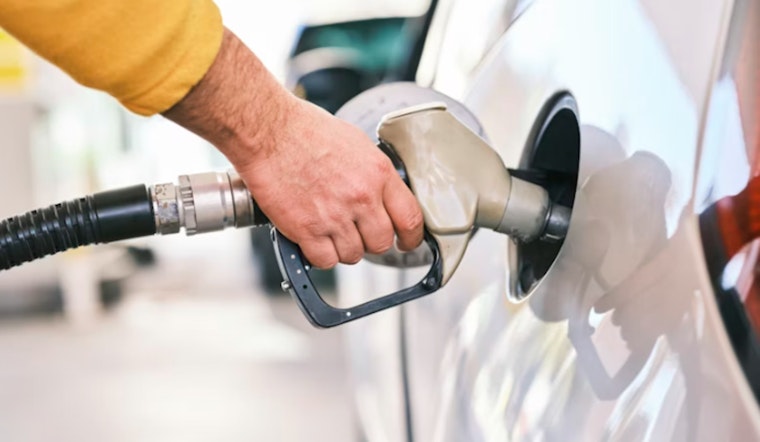
Massachusetts technically owes some Mass Pike drivers a bit of cash every time they fuel up and then hop on the highway. There is a refund for a slice of the state gasoline excise if the gas you bought is burned on the Turnpike. In practice, though, the rules and record‑keeping are so fussy that most people decide their time is worth more than the few dollars they might claw back, as per CBS News Boston.
WBZ-TV’s I-Team took another run at the program on Wednesday and found frustrated drivers describing the process as “mentally taxing.” As reported by CBS News Boston, the refund is real, but very few people manage to fight their way through the paperwork.
The law, in plain English
The refund traces back to a provision in the Commonwealth’s fuel tax code that ties gasoline excise to turnpike use. The rules live in the state’s gasoline excise statutes and related sections. For the exact language, see Massachusetts General Laws, Chapter 64A.
Why claiming is so painful
The Department of Revenue does not take anyone’s word for it. To get the refund, drivers have to prove that every gallon they are claiming was both purchased and used on the Mass Pike. That means original gas receipts plus toll records, all lined up to show when and where you drove.
Fuel generally has to be bought on the day you use the Pike or within the three prior days. Claims are only accepted for half‑year periods, each application is subject to audit, and you have to sign under penalty of perjury. The DOR’s Form GT‑9T‑B spells out the documentation requirements and the math, and it warns that incomplete, edited or otherwise questionable receipts can knock an entire claim out.
Who actually gets the money?
Almost no one. A previous I-Team investigation found that in recent years only a tiny number of drivers have made it to the finish line. In fiscal 2014, four people received refunds that added up to about $518, a clear sign of how discouraging the process can be.
Lawmakers and advocates have, at various points, urged the state to streamline or automate the refund so that eligible drivers are not stuck building a paper trail from scratch, CBS Boston reported.
How to file (quick checklist)
If you still want to test your patience, start with the Commonwealth’s gasoline refund application, Form GT‑9T‑B. You will need original gas receipts that clearly show the supplier’s name and address, the number of gallons and the purchase date. You will also need toll receipts or full E‑ZPass statements that match up with those fuel purchases.
Next, fill out the half‑year computation schedule, follow the instructions on use‑tax adjustments, and keep every record for at least three years in case of an audit. When everything is assembled, mail the form and all attachments to the address listed in the Department of Revenue’s instructions, paying close attention to the filing deadlines.
What would actually help
Advocates argue that the logical fix is to automate the whole thing. The state could use E‑ZPass data and vendor records to figure out which gallons qualify and then send out small refunds directly, without forcing drivers into a paperwork obstacle course. That would mean a bit more coordination and programming across state systems, but a lot fewer aggravated commuters.
For now, the refund is there, spelled out in law and on DOR forms, but the system clearly favors meticulous record‑keepers over everyday Mass Pike drivers. If you rack up Pike miles and keep every receipt in a neat little stack, the math might work in your favor. Everyone else can expect the bureaucracy to eat whatever savings were on the table.





