

























































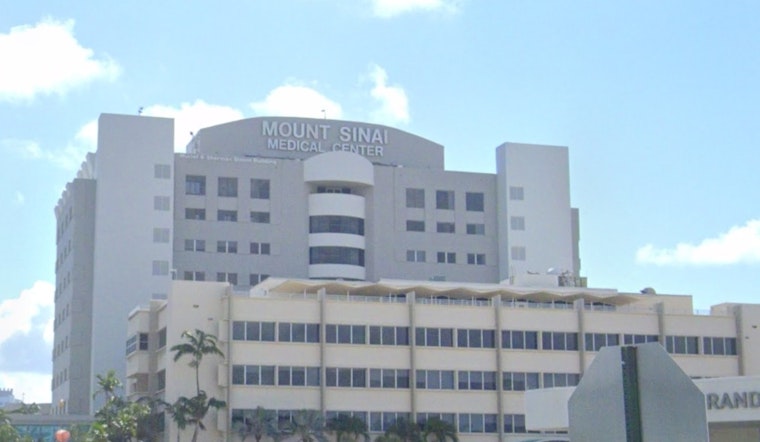
A high-stakes lawsuit out of Miami is rippling all the way to the Capitol, turning a tragic 2022 delivery into a statewide fight over who can be sued when something goes terribly wrong in the delivery room. Parents say their infant suffered permanent brain damage during a C‑section at Mount Sinai Medical Center and accuse hospital leaders of failing to maintain systems and supervision that might have prevented the outcome. The case has now pushed lawmakers to revisit Florida’s 1988 birth-injury compensation system.
What the lawsuit alleges
The families filed two lawsuits last year tied to the 2022 delivery. One of them names Mount Sinai CEO Gino R. Santorio and accuses the hospital of failing to put systems in place that would have ensured the baby was removed from the mother’s womb within 30 minutes, which the complaint says contributed to catastrophic brain injury, as reported by the Miami Herald. The complaint also alleges that an impaired physician provided care during the delivery and that executives did not implement adequate policies and oversight.
Santorio’s attorneys have appealed a judge’s ruling that hospital executives may not be covered by Florida’s Birth-Related Neurological Injury Compensation Association, known as NICA, and they deny he was negligent, according to the reporting.
How Tallahassee responded
State lawmakers did not wait on the sidelines. Senate Bill 1668 would revise the Florida Birth-Related Neurological Injury Compensation plan, updating definitions, benefits and governance and spelling out more clearly when the plan’s exclusive-remedy provisions shut the door on civil suits, as detailed by the Florida Senate.
The measure would allow NICA to cover major-medical premiums and out-of-pocket costs for participants, require family members to maintain major medical coverage for participants, and add fraud-prevention and other operational changes. The Senate analysis explicitly flags the Mount Sinai litigation, known in filings as the Esposito cases, as recent litigation that has raised fresh questions about how far the statute reaches.
Lawmakers, hospital and the fallout
The Esposito litigation has already turned into a political sparring match in committee rooms and on the Senate floor. At a March rules committee meeting, lawmakers clashed over amendments tied to the Miami-Dade case, and the committee chair attempted to dispose of one amendment on a voice vote before members insisted on a recorded tally, according to the Miami Herald.
Supporters of SB 1668 argue the bill’s changes are needed to protect access to maternity care. Critics counter that the wording could broaden immunity for hospital administrators and help insulate executives from accountability in catastrophic cases.
Mount Sinai, for its part, said in a statement that protecting access to maternity care remains a priority and pointed to the hospital’s recent recognition in maternity rankings, the reporting says.
Legal implications
Under Florida law, when an administrative law judge finds that a claim is compensable under the NICA plan, that compensation becomes the exclusive remedy for birth-related neurological injuries. The shield is set out in section 766.303 of the Florida Statutes.
The statute bars civil suits "against any person or entity directly involved with the labor, delivery, or immediate postdelivery resuscitation" except in narrow circumstances, such as when there is clear and convincing evidence of bad faith or willful disregard, as shown on the state’s statutes page.
The Miami litigation centers on a key question that could reverberate far beyond one case: whether senior executives or administrators fall within the statute’s "directly involved" language. That gray area is why both judges and lawmakers see the Esposito case as potentially precedent-setting for liability in birth-injury cases across Florida.
What to watch next
The Esposito litigation is now on appeal in the Third District Court of Appeal, while SB 1668 continues its march through Senate committees as lawmakers haggle over final language and timing. The Senate analysis lists both the case and the proposed statutory changes for consideration and sets the bill’s effective date as July 1, 2026.
If the appeals court narrows how NICA is applied, or if the Legislature clarifies how much immunity administrators enjoy, hospitals and executives around the state could see a meaningful shift in their exposure to civil claims. For now, the stakes hinge on how the appellate court answers the immunity questions and whether Tallahassee ultimately signs off on the committee-backed revisions.





