

























































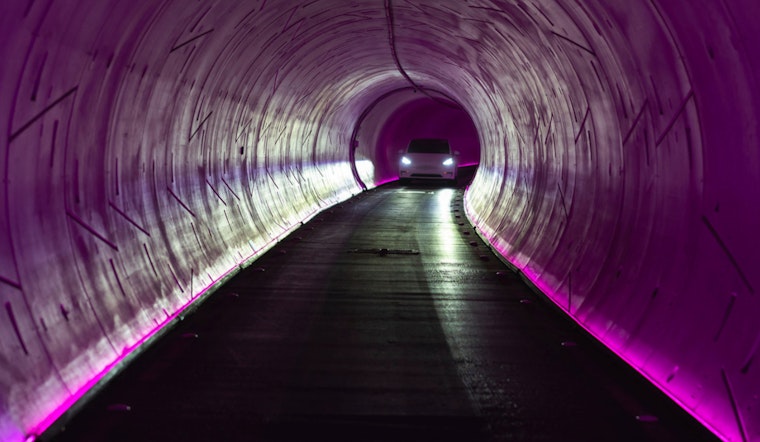
The Nashville Convention Center Authority voted Tuesday to grant The Boring Company an easement along the west side of the Music City Center property, a procedural green light that could eventually put a tunnel station at the convention complex. The decision nudges the Music City Loop project forward, a privately funded underground link between downtown Nashville and Nashville International Airport, even as residents and some local leaders keep sounding alarms about safety and transparency. The vote follows sign-offs from state and federal transportation officials on key rights-of-way and comes after the airport authority inked a long-term licensing deal with the company.
What the authority approved
At its latest meeting, the Convention Center Authority signed off on a motion giving The Boring Company access to and use of an easement that runs along the west side of the Music City Center site. Renderings shown to the board depict the easement hugging the right side of 8th Avenue and outline a potential footprint for a tunnel station there. Authority members described the easement as a limited step that simply keeps the option open. Officials framed the move as a logical next phase as they weigh whether to approve a full station, according to WKRN.
State and federal sign-offs
Key government permissions are already in place beneath state-owned roads. The Tennessee Governor’s Office says the Tennessee Department of Transportation and federal highway officials have approved use of public rights-of-way for the project, according to the Governor’s Office. The Boring Company has posted project documents and an Environmental Impact Assessment that spell out the planned alignment, station concepts and tunnel boring machine launch sites. Those materials are available on The Boring Company project pages.
The airport deal
On the airport end of the line, the Metro Nashville Airport Authority in February approved a long-term license with The Boring Company that carries roughly $300,000 a year in fees and totals about $34 million over the initial term, according to reporting by The Tennessean. Airport leaders say the arrangement requires no capital outlay from MNAA and could ultimately generate hundreds of millions of dollars in operating revenue if and when the loop comes online.
Local backlash and city politics
While the paperwork stacks up in favor of the tunnel, the politics at home tell a different story. The Metro Council has already passed a nonbinding resolution opposing the Music City Loop, signaling broad unease inside city government. Residents have also packed an emergency town hall, pressing officials and company representatives with questions about construction impacts and who will be accountable if something goes wrong. Local reporting shows speakers and neighborhood groups warning about geotechnical risks, surface disruptions and what they describe as a lack of transparency around key approvals, as detailed by Nashville Scene and WSMV.
Lawmakers seek new rules
State lawmakers, watching the controversy unfold, are pushing to set ground rules for future underground transit projects. Proposals under discussion would centralize oversight of privately built tunnels and stations and are framed as a way to ensure consistent safety standards and a clearer path for public input. The effort reflects growing concern about how projects that rely on state rights-of-way are vetted and approved, according to reporting by WPLN.
What comes next
For now, convention officials say their latest move is not a full embrace of the loop so much as a technical land decision. The Convention Center Authority has described the easement vote as a narrowly tailored access approval and says it will keep talking with The Boring Company about whether a station is ultimately the right fit for Music City Center, according to a statement from Music City Center officials. Final design work, additional permitting and remaining land agreements will determine whether a station actually rises at the site. The Boring Company’s project materials and Environmental Impact Assessment outline the engineering footprint that will shape those reviews in the months ahead.





