

























































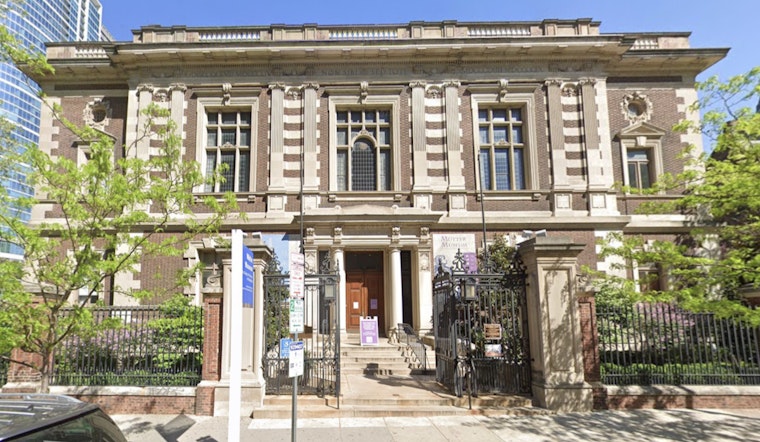
At Philadelphia’s famously eerie Mütter Museum, the visitors have spoken - nearly 5,000 times - and the museum says it is listening. Handwritten comment cards, scrawled by guests in the galleries and stuffed into on-site boxes, are now shaping how the institution explains and displays its collection of medical oddities and human remains.
The shift caps a multiyear Postmortem Project that mixed town halls, focus groups and old-school comment boards. Staff say the goal is to keep the Mütter’s hard-core educational mission intact while bringing the lives behind its most famous specimens out of the shadows and into the foreground.
Two-year review and a collection audit
The Postmortem Project was a two-year effort that wrapped public input into a top-to-bottom audit of roughly 6,500 anatomical specimens, according to the Mütter Museum. Curators worked alongside outside advisers to move away from strictly specimen-first displays and toward labels and research that restore a sense of personhood to individual objects.
The museum’s website notes that the review also generated a trove of resources, including focus-group transcripts, that are now being used to guide new policies and public programs.
Staff sifted through almost 5,000 handwritten suggestions left in the galleries and kept seeing the same three themes: clearer provenance, continued education and more human-focused storytelling, according to WHYY. Sara Ray, the museum’s senior director of interpretation and engagement, told the outlet that the work begins with a simple premise: start from “these are human beings” when rethinking labels and displays.
WHYY also reports that researchers, digging back into historical records, were able to identify the owner of the museum’s famous 2.4-meter megacolon as a Philadelphia man named Joseph Williams, who died in the 1890s.
Leadership shake-up and public pushback
The Postmortem Project unfolded in the middle of a very public fight over what kind of museum the Mütter should be. The process included the removal of online exhibits and some high-profile leadership changes, as reported by The Philadelphia Inquirer.
Former executive director Kate Quinn and College of Physicians president Mira Irons helped lead the ethical review that set the current changes in motion and drew both praise and sharp criticism. Both later left their roles amid internal complaints and pushback from vocal donors.
Supporters worried that tweaks to programming and online material might sand down the museum’s oddball, curiosity-driven identity, the very thing that helped make the Mütter a national destination for fans of the macabre and medically minded alike.
Policy changes and de-anonymization work
In August 2025 the College of Physicians published updated guidelines on human remains and images that tighten the rules on what can be shown and why, according to the Mütter Museum. Under the new policy, the museum commits to exhibiting remains only when there is a clear educational justification and to pairing those displays with fuller contextual information.
The institution says it will actively pursue de-anonymization research, digging into case reports, vital records and other archives in an effort to restore names and stories where possible. It also pledges to consider repatriation claims with what it describes as openness and transparency. The same policy sets out criteria for returning many of the videos that had been taken offline in 2023 after a sensitivity review.
Where the Mütter fits in nationally
The Mütter’s review is part of a broader national reckoning over consent, colonial-era collecting and the ethics of displaying human remains, a trend detailed by The New Yorker. From university anatomy labs to major national museums, institutions have been re-examining where their collections came from and, in some cases, opting for repatriation or digital alternatives instead of physical display.
That wider context has kept the Postmortem Project in the spotlight and raised the stakes on how the Mütter balances scholarly value with sensitivity to the people whose bodies and body parts make up its holdings.
Support for the Postmortem Project came from a Pew Center for Arts & Heritage grant, and the College says public feedback will directly influence upcoming programming, interpretive labels and research priorities, per Pew. The initiative has already spawned storytelling events linked to the project, and leaders say they plan to restore about 400 previously removed YouTube videos after review, according to The Philadelphia Inquirer.
For Philadelphians who have long loved - and loudly defended - the Mütter, staff say the challenge now is to keep the curiosity factor alive while treating each specimen as part of a human story, not just a medical marvel.





