

























































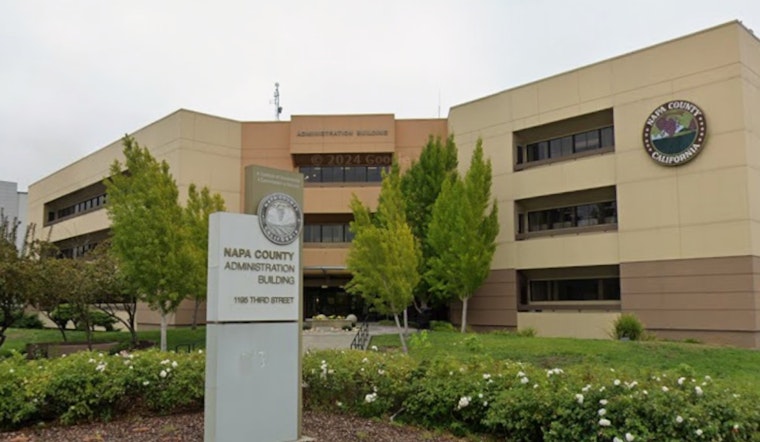
Napa County residents and business owners are being hit with a slick phishing scam that masquerades as official county business and has already drained thousands of dollars from victims.
According to county officials, scammers are posing as staff with the Planning, Building and Environmental Services department and sending emails that demand wire transfers or other payments tied to permits and applications. The messages often come with a false sense of urgency, pressuring recipients to move fast before they have time to double-check anything.
In a news release, Napa County reminded the public that legitimate county emails always end with @countyofnapa.org. Officials are urging people not to send money or personal information by email unless they are absolutely certain a request is real. Residents are advised to ignore suspicious links and attachments, avoid replying to questionable messages, and contact the department directly instead. Planning, Building & Environmental Services can be reached at 707-253-4417 or [email protected]. The full advisory is posted by Napa County.
The Press Democrat reports that both the district attorney and sheriff's offices have echoed the warnings, noting an uptick in targeted email schemes and confirming that some victims have already lost several thousand dollars. The scammers reportedly impersonate county staff and lean on high-pressure language to push people into paying quickly.
How the scam works
The bogus emails typically spoof or closely imitate official sender addresses, borrow county logos or document templates, and rely on urgent, authoritative wording to get recipients to authorize a transfer or pay a fee. National data indicate that phishing and spoofing remain among the most common internet crimes, which makes these local alerts a key tool in preventing more losses, according to the FBI.
How to protect yourself
County officials and cybersecurity experts recommend checking the sender's email address carefully, since real county messages will end in @countyofnapa.org, and refusing to send money in response to any unsolicited email. If something feels off, residents are urged to contact the department directly using phone numbers or email addresses listed on the county website instead of hitting reply.
Suspicious messages can be reported to the FBI's Internet Crime Complaint Center at IC3. Anyone who believes they have already wired money to a scammer should contact their bank immediately.
Neighbors, contractors and small business owners are being asked to spread the word and double-check payment instructions before sending funds. Napa County officials say that staying alert, and reporting possible scams quickly, gives investigators a better shot at tracing and potentially recovering stolen money.





