

























































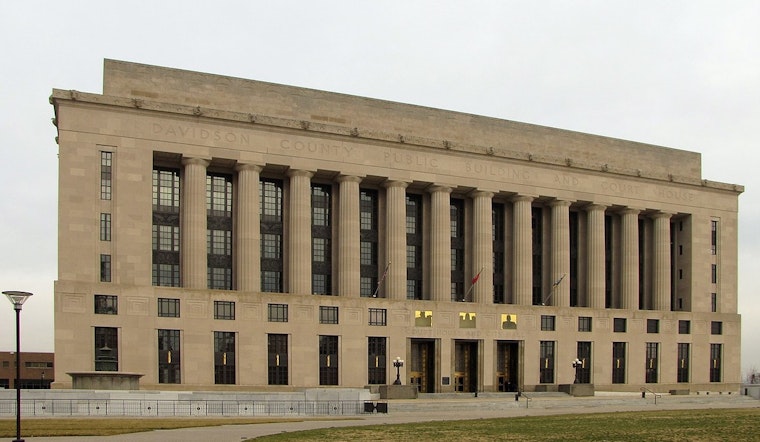
Metro Nashville councilors are turning up the pressure on city officials, demanding a clear paper trail for $4.4 million meant to stabilize permanent supportive housing and rapid rehousing programs. At a recent council meeting, public commenters alleged that some of the money was spent without proper authorization and that people who were placed in housing later lost support and wound up evicted.
Several council members said they still have not received a full breakdown of how the $4.4 million has been used and signaled they are reluctant to sign off on more cash until they do. One public speaker went so far as to claim, “There are no contracts. There are no procurements. There's no authorization,” according to WZTV.
Legislative records show the $4.4 million appropriation was added in the FY26 budget, and the council directed the Office of Homeless Services and the Homelessness Planning Council to come back with a contingency plan by March 3, 2026. That plan is supposed to spell out how the money will keep Nashvillians from losing permanent housing, according to Metropolitan Nashville & Davidson County records. The resolution specifically asked OHS to show how the $4.4 million would sustain Permanent Supportive Housing and Rapid Rehousing programs.
The local fight is unfolding in the middle of a national funding shakeup. Nashville joined a lawsuit challenging changes to HUD's Continuum of Care notice of funding opportunity, arguing the shift would reduce renewals for permanent housing and increase the risk of evictions, according to Nashville.gov. In that announcement, Mayor Freddie O'Connell warned the changes “will decimate permanent supportive housing.”
Scrutiny of Metro's homelessness spending has been building for months. The Metro Audit Committee voted last year to open an audit of the Office of Homeless Services after council members pointed to alleged financial irregularities, and OHS leaders have pushed back, saying their operation is transparent, according to Nashville Scene. That audit, along with earlier public records requests, is part of the backdrop for the council's demand for a detailed accounting.
Some members, however, warned against freezing or delaying payments in a way that could squeeze front line service providers who are already stretched thin. They argued that nonprofit partners are doing essential work and should not be punished while the city sorts out its books, WZTV reported. Others countered that they simply want the numbers, contracts and procurement records in hand before approving more taxpayer dollars.
What councilors are asking for
Council sponsors have laid out a fairly blunt checklist: a line‑item breakdown of how the $4.4 million has been or will be spent, copies of all related contracts and procurement documents, and a timeline showing which specific programs the money is meant to keep afloat. The original resolution that created the appropriation also required OHS and the Homelessness Planning Council to present these plans directly to the Metropolitan Council, according to Metropolitan Nashville & Davidson County records.
Why $4.4M matters
Local officials and advocates say the stakes go far beyond a line item in the budget. If HUD issues a new NOFO that caps permanent housing at 30 percent of funding, Nashville could lose millions of dollars in renewal money, and thousands of people could be pushed out of permanent housing units, according to reporting in The Contributor. The fear of that worst-case scenario is what prompted the council to carve out the $4.4 million as an emergency local bridge.
What comes next
Council members may choose to wait for both the OHS contingency plan and the results of the ongoing audit before releasing additional funds. Advocates say a thorough audit that produces public documentation could go a long way toward rebuilding trust between service providers and lawmakers, according to Nashville Scene. For now, future funding approvals are likely to depend on whether the city can deliver contracts, procurement records, and a clear spending timeline that satisfy skeptical councilors.





