

























































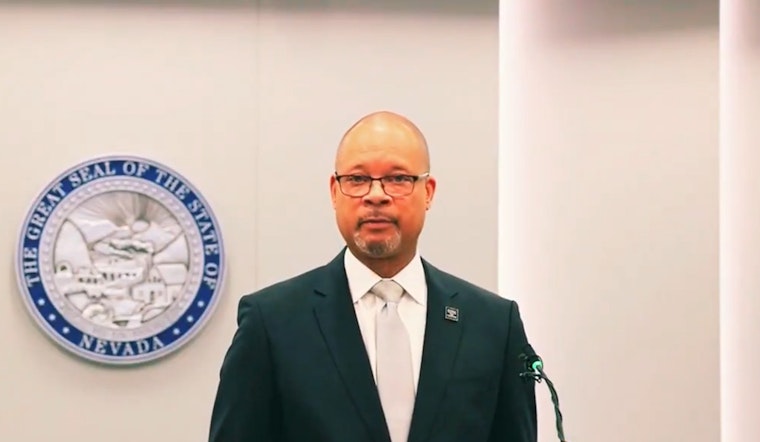
Nevada Attorney General Aaron D. Ford is stepping into a national showdown over student loans, co-leading a coalition that says a new U.S. Department of Education proposal would slam the door on future nurses and health professionals. Standing alongside Maryland Attorney General Anthony Brown, Ford announced Tuesday that the two are fronting a multistate effort to stop a federal rule that would sharply tighten loan limits for graduate nursing and many allied-health programs. They argue the move would choke off the pipeline of clinicians and educators at a time when hospitals and clinics are already scrambling to fill jobs, especially in rural and underserved communities that rely heavily on advanced-practice nurses and other specialists.
In a post on the Nevada Attorney General account, Ford and Brown said they are leading "a coalition of 24 attorneys general and two governors" that is formally opposing the rule. The coalition argues the proposal "ignores both the letter and the spirit of the law," warns it "could deepen healthcare workforce shortages nationwide," and urges the Education Department to rewrite the technical definition that decides which graduate programs qualify for higher federal loan limits.
What the proposed rule would do
The Education Department rolled out a notice of proposed rulemaking on Jan. 30, 2026, aiming to carry out new graduate loan limits set by Congress and to clarify who qualifies as a "professional student." According to the proposed text in the Federal Register, students enrolled in designated professional programs could borrow up to $50,000 a year and $200,000 total. Graduate students in all other programs would be capped at $20,500 a year and $100,000 overall. The same filing in the Federal Register also outlines plans to phase out the Grad PLUS program for new borrowers.
Why states and health groups object
Health organizations say the trouble starts with the department’s relatively short list of "professional" programs, which in the draft rule includes fields such as medicine, pharmacy and law, but leaves out many post-baccalaureate health degrees. Critics argue that would push students in those excluded programs toward higher-cost private loans or away from expensive, clinical training altogether. The American Association of Colleges of Nursing and the American Hospital Association have publicly pressed the department to classify graduate nursing degrees as professional programs, warning that lower federal loan caps would financially squeeze programs that produce nurse practitioners, nurse anesthetists and the faculty who teach them. Both AACN and the AHA say the cuts risk worsening staffing shortages, particularly outside major metropolitan areas.
Timeline and the stakes for students
The rulemaking clock started ticking with the Jan. 30 publication and a public comment window that closed March 2, 2026, giving supporters and opponents only a brief chance to weigh in. The Federal Register notice details how comments could be submitted, and lawmakers from both parties rushed to use that process to push for changes. AP reported that more than 140 members of Congress signed a bipartisan letter urging the department to add nursing to the official list of professional programs.
What comes next
Ford’s public stance signals that the coalition of attorneys general and governors is not planning to fade quietly into the background after the comment period. Instead, they are expected to keep pressing federal officials through coordinated advocacy and by partnering with health-sector allies that are already organized. Health systems and professional associations have built national coalitions to amplify their policy concerns and public comments during the rulemaking process, as reported by Inside Higher Ed. States have also shown they are willing to take the Education Department to court: in 2025, Michigan’s attorney general sued over a separate policy change, a move highlighted in a Michigan Attorney General release that underscores litigation as one of the tools on the table.
Bottom line
The Ford and Brown coalition plants state attorneys general squarely in the middle of a fight that stretches from Washington policy shops to local nursing schools and hospital wards. Whether this pressure campaign results in a rewritten regulation, a new act of Congress or a lawsuit, it keeps the heat on the Education Department while students and institutions try to figure out how the proposed rule could reshape who can actually afford advanced training in health professions.





