

























































New Braunfels is not just filling up riverfront tube rentals these days. The Hill Country city wedged between San Antonio and Austin has climbed near the top of a national ranking that weighs population growth against housing affordability, reflecting a surge in new residents and investment that is reshaping downtown blocks, riverfront parks and neighborhoods along I-35. Locals say you can see the shift in fresh housing developments, heavier visitor traffic and cranes scattered across the skyline.
How MoneyLion Ran the Numbers
In a March study, MoneyLion slotted New Braunfels near the top of its 50 “most affordable, fastest-growing” cities. The fintech firm pulled from American Community Survey data from 2019, 2023 and 2024 to calculate one- and five-year population changes alongside household income and housing costs. To even make the cut, a city needed at least 100,000 residents, population growth above the national average and average rents or mortgages below the national figure. Frisco landed at No. 1, and Texas notched more cities on the ranking than any other state.
Local Buzz and City Hall’s Response
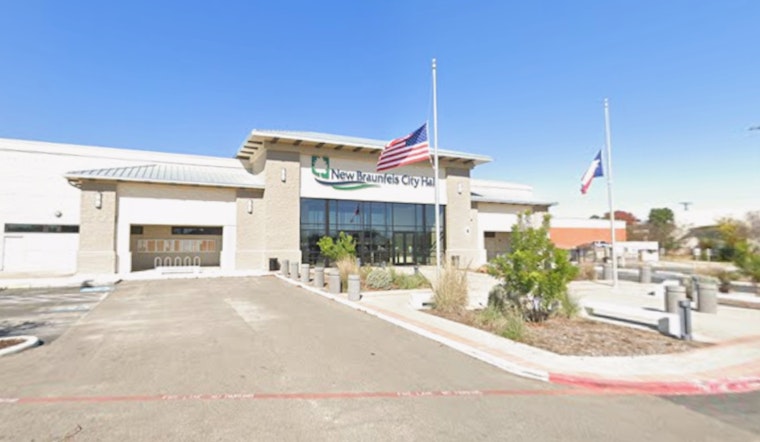
Local outlet MySA leaned into the bragging rights with a headline crowning New Braunfels “No. 2” on the list, capturing the hometown reaction to the study. City leaders are framing it as more than a feel-good ranking. The FY 2026 adopted budget includes staffing boosts and infrastructure spending meant to keep up with mounting demand, according to the City of New Braunfels.
The Numbers Behind the Hype
The dataset cited by MoneyLion shows New Braunfels posting a 31.7% population jump over five years, with a median household income of $86,021. The report estimates annual homeowner costs at about $45,672 and pegs roughly $40,349 as what is left over after housing and living expenses. Those affordability figures, paired with brisk population growth, are what pushed the city into the top tier of the ranking.
What Happens As the Boom Rolls On
The ranking puts a sharper point on city hall’s to-do list. Local priorities now include expanding housing supply, untangling traffic chokepoints and keeping parks in shape as New Braunfels tries to juggle tourist crowds with everyday residential needs. Hoodline has been tracking nearby projects tied to that same pressure, including the planned downtown Faust Hotel comeback after a $4.5 million facelift and a Gruene sewer overhaul expected to tangle up local streets. City officials say this year’s budget moves are intended to keep pace with those pressures while nudging growth toward more sustainable long-term outcomes.





