

























































Tulane orthopaedics in New Orleans is betting that what you swallow before and after surgery might matter almost as much as what happens in the operating room. The department reports that a tailored supplement plan seemed to speed recovery for some patients after rotator-cuff repair, with clinicians seeing thicker healing tendons and shorter downtime. The routine pairs high-quality protein, collagen peptides and specific micronutrients around the time of surgery, and the early outcomes have surgeons wondering whether a pill-and-powder lineup could become a standard part of shoulder repair care.
What They Gave Patients
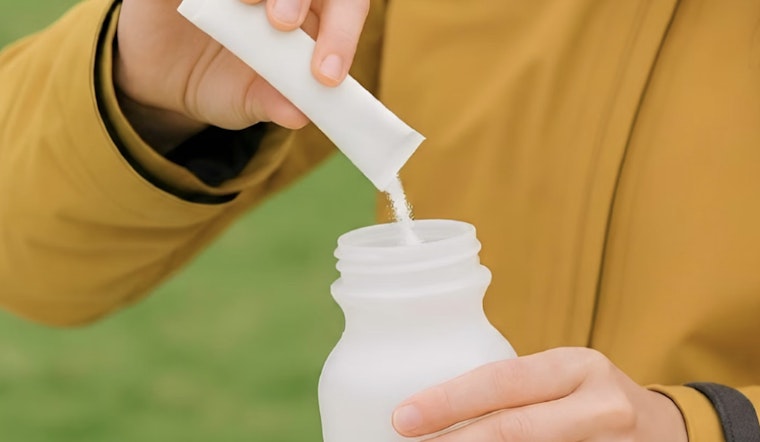
Tulane's perioperative plan centered on protein-heavy blends and connective-tissue support, not experimental pharmaceuticals. The clinical team used commercial products such as Juven HMB and formulations from Mend, along with collagen peptides and vitamin C to back up tendon repair. Manufacturer materials for those products highlight HMB, arginine and collagen peptides as ingredients believed to support tissue building and limit muscle loss when patients are sidelined after surgery.
What Tulane Found
In a clinical overview published by AAOS Now, department chair Dr. Felix "Buddy" Savoie explained that the team, working with performance specialist Mackie Shilstone, rolled out a clinic-level supplement protocol and tracked healing with postoperative ultrasound. According to that report, patients who stuck with the plan showed about a 1- to 2-millimeter increase in supraspinatus tendon thickness at six and 12 weeks. The overview also notes that baseline testing turned up vitamin D deficiency in roughly two-thirds of patients, and clinicians monitored and corrected those deficiencies during recovery.
Measurements And Patient Reports
Local coverage by WWL-TV reports that Tulane measured supraspinatus tendons at about 8 millimeters in patients who took the supplements, compared with around 6 millimeters in a typical case. The supplements were started roughly one week before surgery and continued for at least six weeks afterward.
The station quotes Dr. Savoie saying that healing appeared faster in the supplement group, with clinicians estimating that recovery time was cut roughly in half compared with patients who skipped the regimen. Participants also told clinicians they felt more energetic and noticed small changes such as stronger fingernails. Tulane's internal testing further suggested less muscle loss and fewer short-term complications among patients using the protocol.
What The Research Says
Existing research offers some biological backup for pieces of Tulane's protocol, even if it does not yet prove better shoulder function in the long run. Clinical studies have linked collagen peptides to increased collagen synthesis and improved joint outcomes, and HMB has been associated with preserving muscle during periods of disuse. A systematic review in Amino Acids summarizes evidence for collagen peptide supplementation, while a recent meta-analysis on HMB is cataloged on PubMed. Experts note, however, that more targeted, randomized trials are needed to confirm that these biological changes after surgery translate into lasting strength gains and better function.
Safety And Regulation
There is also a regulatory catch. Dietary supplements do not go through U.S. Food and Drug Administration review for safety and effectiveness before hitting store shelves, so products can vary in purity and potency, according to the FDA. Ethicists and clinicians have pointed out that supplements remain underregulated compared with prescription drugs and that expectations for benefit should stay modest, per the AMA Journal of Ethics.
For patients thinking about a pre- and postoperative supplement routine, the message from clinicians is to loop in the surgical team and a pharmacist first. They can help avoid medication interactions and arrange appropriate testing, including checking and correcting vitamin D deficiency when indicated.
Local Angle
The project grew out of Tulane's Department of Orthopaedic Surgery and has been described publicly by Dr. Felix "Buddy" Savoie, an internationally recognized shoulder specialist, in his role as department chair (Tulane Medicine). Local reporting notes that the findings were published in the Journal of the American Academy of Orthopaedic Surgeons and that Tulane tested the formula on patients across a range of ages. According to WWL-TV, clinicians are already folding nutritional screening, especially vitamin D checks, into preoperative planning for shoulder repairs.
For now, Tulane's work is a promising but early signal: a practical, relatively low-risk approach that appears to nudge tendon biology toward quicker repair. Surgeons and researchers say the next move is tightly controlled trials to see whether ultrasound gains and upbeat patient reports translate into lasting strength and lower retear rates. Until then, anyone heading into shoulder repair is urged to clear any new supplement regimen with their surgeon before stocking the kitchen counter.




