

























































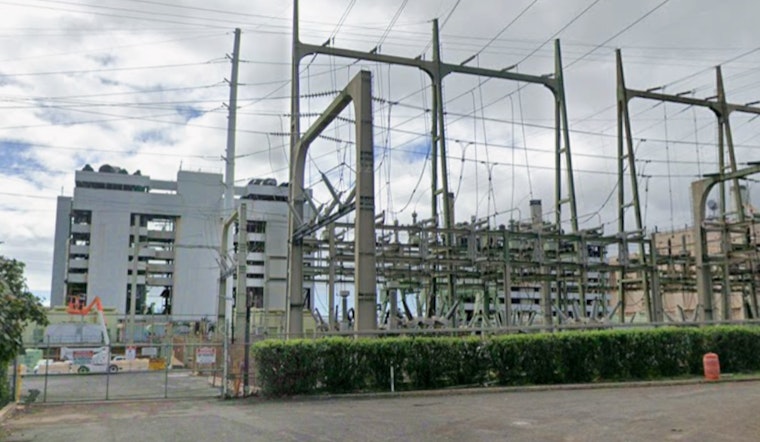
Hawaiian Electric just cleared a major hurdle in its effort to modernize the Waiau power plant in Pearl City, with state regulators signing off on a plan to swap out six aging oil-fired units for new, fuel-flexible turbines. The green light comes with a big asterisk: regulators are tightly limiting how much of the project’s soaring cost can immediately land on customers’ bills.
What The Approval Covers
The approved "repower" will remove six steam boilers at Waiau and replace them with six simple-cycle combustion turbines that together are designed to provide about 253 megawatts of firm capacity for Oahu’s grid. Hawaiian Electric says the new units will be able to run on biodiesel and potentially hydrogen and are meant to respond more quickly to swings in solar and wind output, according to Hawaiian Electric.
Limits On Cost Recovery
Regulators did not buy Hawaiian Electric’s full pitch on how fast it could recover costs from customers. Instead, they approved the project under tighter rules that hold down near-term rate impacts, as reported by Pacific Business News.
Company filings show the repower’s estimated capital cost climbed from about $847 million to roughly $1.16 billion in 2025, and the utility’s own filings note that EPRM recoveries would be constrained, including a $95 million cap cited in the company’s filing with the SEC. That structure means Hawaiian Electric will have to shoulder more near-term financing risk or find other funding sources while it pursues a slower path to recovering costs over time.
Size, Timeline And Grid Role
State project listings describe the Waiau repower as a 253 MW Stage 3 project intended to provide dispatchable, around-the-clock generation that works alongside Oahu’s growing fleet of solar and wind resources, according to the Hawaiʻi State Energy Office. The office’s project boards and records show the broader schedule stretching into the early 2030s, reflecting the permitting, procurement and grid-integration work that still has to follow this regulatory approval.
Why It Matters For Oahu Customers
By approving the repower while capping immediate cost recovery, the Public Utilities Commission is trying to walk a tightrope: keep the island’s reliability margin healthy without delivering a shock to ratepayers. The commission’s procurement pages signal that regulators plan to keep close tabs on how costs are allocated and recovered as the project moves into contracting and construction, a step aimed at minimizing surprise bill impacts, according to the Public Utilities Commission.
Next Steps And Local Outreach
With approval in hand, Hawaiian Electric now shifts into the long grind of permitting, procurement and detailed design. The utility is also leaning on a community engagement plan that promises local hiring, workforce development goals, local contracting targets and a series of public meetings as the project advances, according to Hawaiian Electric.
The Waiau repower is one of the largest near-term projects shaping Oahu’s move away from imported oil, and regulators’ conditional approval, paired with tight recovery rules, will heavily influence how the financial burden gets split between shareholders and customers. Company filings and regulator orders in the coming months will nail down the final cost allocation and the timeline for construction and service entry, as outlined in Hawaiian Electric’s public filings with the SEC.





