

























































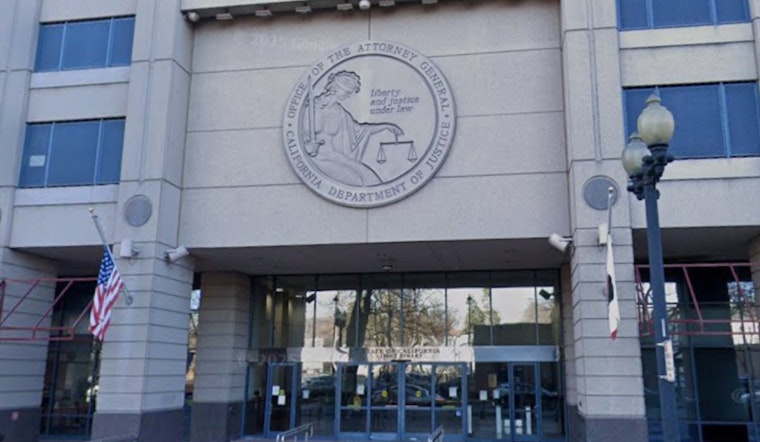
California Attorney General Rob Bonta is not waiting quietly for the 2030 Census to arrive. Yesterday, he led a multistate pushback, filing a comment letter that urges the federal government to scrap plans for a 2026 Census test that would rely on a longer, American Community Survey-style questionnaire and add a citizenship question. The coalition, made up of Bonta and 20 other state attorneys general, warns that the proposed changes, including narrowing the test to just two sites and using postal workers for in-person follow-up, could chill participation in immigrant and other hard-to-count communities and distort the numbers that will shape the 2030 count. The filing landed right as the public comment window on the Census Bureau's information-collection notice closed.
In a press release from the State of California Department of Justice, Bonta said he joined the coalition in submitting the comment letter to the Department of Commerce, calling the proposed changes "illegal" and operationally risky for communities that have historically been undercounted. The release details several key objections: that the agency treated the changes as a simple notice instead of a proposed rule requiring a fuller process, that the test would rely on the American Community Survey questionnaire, which already includes a citizenship item, and that the Bureau wants to limit the field test to only two locations. According to the attorneys general, those choices would undercut the Census Bureau's ability to prepare for 2030 and could drag down response rates among noncitizen, Hispanic, and Asian residents.
What's in the Proposed Test
According to the Federal Register, the Census Bureau describes the 2026 Operational Test as part of an American Community Survey Methods Panel exercise meant to help shape the 2030 Census. The test would run in Spartanburg, South Carolina, and Huntsville, Alabama. The notice explains that the project is designed to evaluate internet self-response and in-field enumeration systems and to see whether United States Postal Service staff can take on some in-person tasks that are usually handled by temporary Census Bureau field workers. The filing estimates around 154,600 respondents and sets out a 30-day public comment period that ended yesterday.
Why the AGs Say It's a Problem
In their comment letter, the attorneys general raise both procedural and on-the-ground concerns. They argue that the notice sidesteps the Administrative Procedure Act's full notice-and-comment requirements and that relying on an American Community Survey form is a poor stand-in for the once-a-decade Census questionnaire. They also point out that adding a citizenship question, even in a test tied to decennial planning, has a track record of depressing participation in immigrant communities. On top of that, they warn that shifting in-person follow-up work to postal employees could open the door to privacy problems that sworn Census workers are specifically trained and bound to avoid. Those concerns are laid out in the State of California Department of Justice release.
Legal and Political Stakes
The clash recalls the 2019 legal fight over a proposed citizenship question, when the Supreme Court criticized the Commerce Department for offering a pretextual explanation and effectively blocked the change to the 2020 Census form. Legal analysis of that case is collected on SCOTUSblog. That precedent provides states and advocacy groups with a roadmap for challenging federal agency moves under the Administrative Procedure Act, and the new multistate filing signals that the attorneys general may be prepared to go back to court if the Census Bureau presses ahead without addressing the procedural and confidentiality issues they have flagged.
What Happens Next
The Federal Register notice states that the Census Bureau plans to submit the information-collection request to the Office of Management and Budget for review after the close of the public comment period, with the operational test scheduled to run from April through September 2026. Comments on the information collection were due yesterday, under docket number USBC–2026–0034, and any further tweaks will depend on OMB review and any legal challenges that materialize. For now, the coalition of attorneys general has formally put the administration on notice, guaranteeing that the fight over how to count people will continue in public filings and, if necessary, in court.
On the home front, the move puts California, through its Oakland-based attorney general's office, at the center of a national battle over how political representation and federal funding in the next decade will be calculated. Residents can expect more legal briefs, press conferences, and pointed statements in the coming weeks as state leaders and advocates press the Census Bureau and the Department of Commerce for answers.



