

























































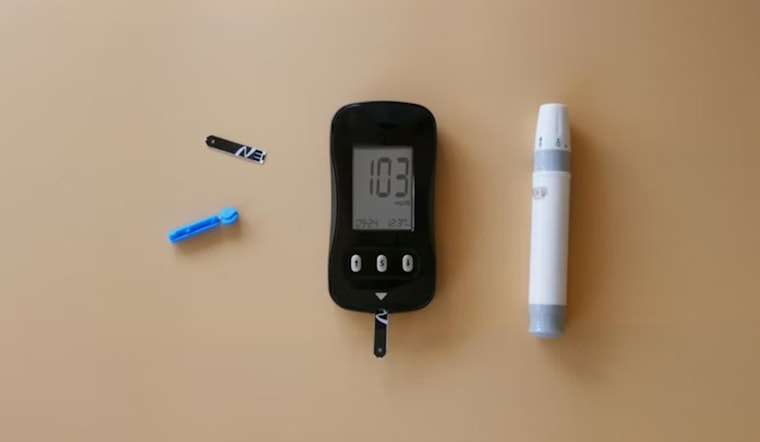
An Oakland family says a diabetes sensor that was supposed to help keep their loved one safe instead helped send him to the hospital. They have filed a wrongful-death lawsuit claiming Abbott's FreeStyle Libre 3 Plus system showed dangerously low glucose readings just before 68-year-old Michael Ford collapsed and later died. According to the complaint, the device showed about 68 mg/dL, while paramedics recorded his blood sugar at more than 500 mg/dL, a gap the family argues led to fatal treatment choices. The case lands as a national device correction, announced late last year, continues to swirl around Abbott's latest continuous glucose monitors.
Regulators flag the risk
Abbott initiated a medical device correction for certain FreeStyle Libre 3 and FreeStyle Libre 3 Plus sensors after internal testing showed some units could report glucose readings that were lower than a person's actual blood sugar. The U.S. Food and Drug Administration says the action covers about 3 million sensors produced on a single manufacturing line and warns that incorrect low readings "may pose serious health risks, including potential injury or death," according to the FDA. The agency later labeled the move a Class I recall, its most serious category.
Family suit details
The wrongful-death suit, filed by Davonte Ford, alleges that his father, Michael Ford, suffered multiple cardiac arrests after relying on a Libre 3 Plus sensor that was giving him a falsely low reading. The complaint says the sensor showed about 68 mg/dL at a time when paramedics measured his blood sugar at 551 mg/dL. The family says they only learned about wider sensor problems through news coverage, after they received a recall notice in the mail. As reported by NBC News, the Fords have joined other plaintiffs suing Abbott over the devices.
New lawsuits and class actions
Attorneys say at least three other people are preparing individual lawsuits over injuries they link to incorrect readings, and a growing list of proposed class actions has already landed in U.S. courts. Early complaints accuse Abbott of hiding defects in the sensors and seek money damages for people who say they leaned on the devices to guide insulin doses and other treatment choices, according to reporting from AboutLawsuits.
Abbott's response
Abbott says it traced the problem to a single production line, identified and fixed the issue, and is offering to replace any potentially affected sensors at no cost. The company has directed customers to an online verification tool and to customer support for help, and has said in a public statement that it does not expect major long-term supply problems as a result. That statement is posted on Abbott's press site.
What patients should do
Health officials and Abbott are telling anyone using a Libre 3 or Libre 3 Plus sensor to check the device's serial number through Abbott's online lookup tool, and to stop using any sensor that is flagged as potentially affected. When a sensor reading does not match the way someone feels, patients are urged to confirm their levels with a blood glucose meter, or with the built-in meter in the Libre 3 reader, before making treatment decisions, and to seek medical care when needed, according to the FDA.
Why CGM recalls matter
Continuous glucose monitors have run into safety problems before. In earlier cases, issues with receivers and alarms led to corrections and recalls that left some users without dependable sound alerts. Past coverage of Dexcom receiver recalls shows how missed alarms or faulty sensors can create real danger for people who rely on automatic warnings during episodes of low or high blood sugar, as detailed by Medscape.
Legal implications
The new lawsuits will probe whether Abbott's internal testing, warnings and public disclosures met its obligations under product safety and consumer protection laws. Plaintiffs are expected to pursue claims that could include negligence, strict product liability and violations of consumer laws. If the cases move ahead, they could seek compensation for medical expenses, lost income and emotional harm, and they may also invite closer attention from federal and state regulators.




