

























































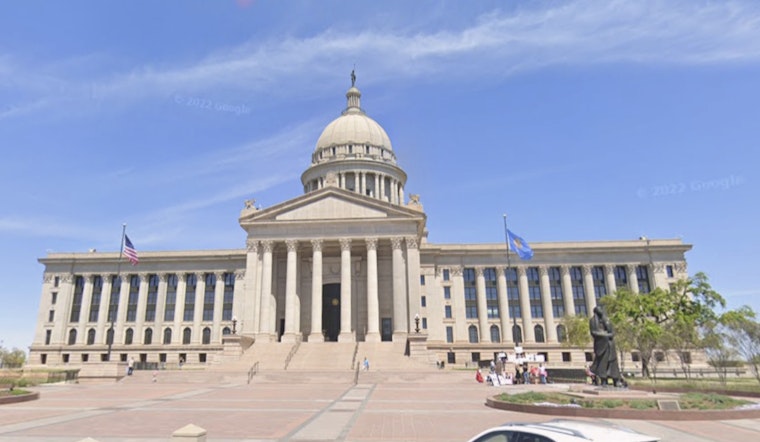
Oklahoma is already gearing up for the 2030 census, and lawmakers are trying to put some real money and structure behind it. Two bills filed this month would create a 16-member Complete Count Committee and a revolving fund to bankroll early outreach and planning. The measures are carried by Rep. Mark Lawson, with Sen. Kristen Thompson listed as a principal Senate author. Together, they would finance work such as hiring a state demographer and a state economist and scrubbing the Census Bureau’s address lists so they are more accurate. Legislative leaders say the plan puts special emphasis on tribal outreach, multilingual messaging, and partnerships with nonprofits that know how to reach hard-to-count communities, arguing that early prep could protect both federal dollars and political clout for Oklahoma.
According to the Oklahoma Legislature, HB 3620 would formally establish the 2030 Census Complete Count Committee and lay out its duties and reporting schedule. A House fiscal summary on HB 3622, posted by the Oklahoma Legislature, explains that the bill creates a U.S. Decennial Census Revolving Fund inside the Department of Commerce. That summary notes Commerce requested a recurring $500,000 appropriation during the budget process, and it also points out that a committee amendment deleted the original direct-appropriation language and swapped in the revolving-fund approach, leaving any actual spending to the regular appropriations cycle.
As reported by The Journal Record, Commerce CEO John Budd told lawmakers the requested funding would help “ensure the Census Bureau’s master address file is complete and accurate” and would let the agency hire a state economist and a state demographer. The Oklahoma Department of Commerce, which runs the State Data Center and serves as the state’s official Census liaison, is already coordinating technical work with counties and tribes ahead of 2030. Commerce officials told budget panels this spring that planning includes outreach strategy, data preparation, and partnerships with trusted local messengers, the kind of behind-the-scenes homework that can make or break a full count.
Why This Matters
The decennial census is not just a big math problem. It determines congressional apportionment and helps steer billions of federal dollars for things like roads, healthcare, and education. The U.S. Census Bureau later found statistically significant undercounts in the 2020 census for Black or African American, Hispanic or Latino, and American Indian or Alaska Native populations. State officials say they want to attack those gaps with targeted outreach this time. Their argument is that earlier, better-funded local engagement can shrink the hard-to-count gap that quietly costs communities both representation and money.
Next Steps In The Capitol
Legislative tracking shows HB 3622 is moving. Bill history indicates it has cleared key committee steps and is parked for further floor action as lawmakers work through the appropriations calendar, with any final dollar amount still tied to the regular budget process, according to LegiScan. If both bills clear the House and Senate and land on the governor’s desk, the Complete Count Committee would be formally created and the Department of Commerce would have authority to manage the revolving fund and related census prep. Lawmakers have stressed that the requested money is meant for the planning and coordination phase, not a one-time advertising blitz.
Tribal Outreach And Timing
The proposals closely follow recommendations from Oklahoma’s 2020 Complete Count Committee, which urged the state to start much earlier next time and to bring tribal leaders and other trusted messengers into the process well before enumeration. The Journal Record notes that the previous committee recommended forming a 2030 committee no later than 2028 and beginning outreach before the Census Bureau’s LUCA and field-test windows open. Supporters of the current bills say building those relationships now, rather than in a last-minute scramble, is key to reaching communities that slipped through the cracks in 2020.
Community groups, local governments, and county assessors are being told to keep an eye on the budget talks and on Commerce announcements. The department already maintains LUCA tools and guidance for local governments working on address data. Officials say the Department of Commerce’s Census 2030 materials walk counties and tribal governments through how to submit address updates and other information that feed into the Census Bureau’s prep work, and that Commerce will coordinate that technical assistance if lawmakers sign off on the revolving fund. For now, the bills mostly build the scaffolding. The real test will come later this spring, when appropriators decide how much cash to put behind it.





