

























































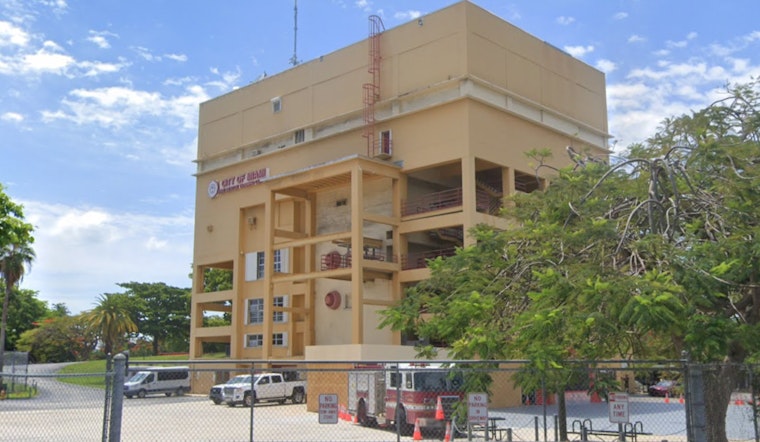
A five-day evidentiary hearing over "Old Smokey," the long-closed Coconut Grove incinerator, is scheduled to start Wednesday, March 11, in Miami-Dade Circuit Court as residents push to turn their lawsuit into a class action. The suit, first filed in 2017, alleges that decades of ash and contaminated soil left nearby West Grove residents with higher rates of cancer and respiratory disease. If the case is certified, attorneys say hundreds more people could join to seek medical monitoring and property damages. The City of Miami denies liability and is fighting the claims in court.
Hearing opens with push for class status
Plaintiffs' lawyers told the judge they plan to bring in testimony and testing that they say will show incinerator ash drifted onto homes and parks for years. "That ash ultimately settled on residential properties," attorney Jason Clark said in court, summarizing the plaintiffs' central argument. As reported by NBC 6 South Florida, the evidentiary hearing is expected to feature live witnesses and documentary records.
Testing and community evidence
Plaintiffs point to years of private sampling and historic testing that they say detected dioxins, arsenic, lead and other hazardous compounds across the neighborhood. Attorneys and local advocates have cited private tests that, according to them, showed dioxin levels above county thresholds at a majority of sampled homes. That claim, and how those test results could factor into the battle over class certification, were detailed by Coconut Grove Spotlight.
Old Smokey's footprint
The incinerator was built in the 1920s and operated until 1970, when a nuisance lawsuit forced its closure. It left behind a legacy of ash and soil contamination in West Coconut Grove. University of Miami research and law clinic materials trace formal testing back to 2011 and document arsenic, barium, PAHs and lead in soils near the former facility, according to the University of Miami School of Law. The site later became the City of Miami Fire Rescue Training Center, which sits next to parks that plaintiffs say were used as dump sites for incinerator ash.
City's legal defense
The City of Miami has asked the court to limit or toss parts of the case, arguing in filings that the statute of limitations has expired and that third parties could be responsible for some of the alleged harms. City lawyers have also moved to keep certain testing and other evidence out of the record, according to court papers reported by NBC 6 South Florida. City officials have declined to comment to reporters, citing the ongoing litigation.
What certification would change
If the judge certifies the lawsuit as a class action, a court-supervised notice period would allow other residents who lived near Old Smokey to join the case and pursue medical monitoring and property claims. The Downs Law Group, which represents the plaintiffs in Yvette Styles et al. v. City of Miami (Case No. 17-22967), says the complaint names both the city and a remediation contractor and seeks medical screening and damages, according to the Downs Law Group. Researchers and activists have pointed to earlier studies, including university work that identified cancer clusters in the area, as the basis for plaintiffs' push for medical monitoring, according to WLRN.
Community response and next steps
Longtime residents and advocates say they have spent years demanding testing, cleanup and an independent health study, and several gathered at City Hall as the case moved forward. "In the morning, I could not open my kitchen door," longtime West Grove resident Ozie Williams told CBS Miami, recalling the ash clouds that once blanketed the neighborhood. Attorneys say the evidentiary hearing will conclude after all testimony is presented, and that the judge will rule on class certification after reviewing the full record.





