

























































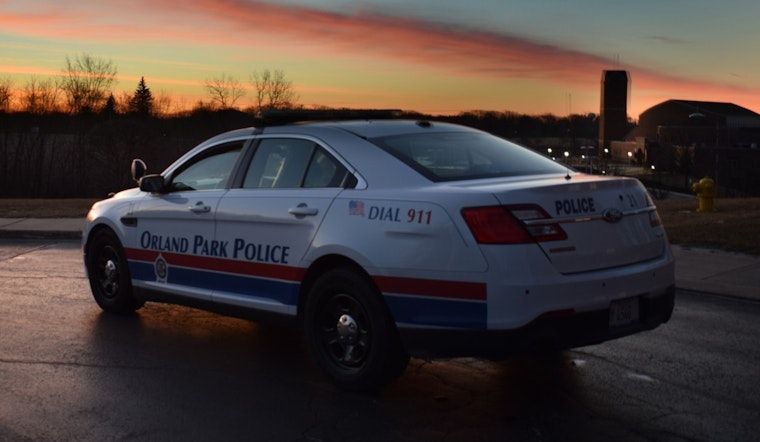
Orland Park police have shifted most patrol officers to 12-hour shifts, and the early numbers show a big jolt in traffic enforcement across the village. In the first month under the new schedule, from Feb. 1 through Feb. 28, the department reports that traffic stops jumped 154%, with officers making 28 aggravated-speeding arrests in that span. Village officials say the move is meant to put more officers on the street, trim overtime, and beef up visible patrols on major roads and around business corridors.
According to FOX 32 Chicago, the new setup averages about 15 patrol officers and supervisors on each 12-hour shift, not including the dedicated Traffic Unit or part-time coverage. The station reports that, in a press release, the department described itself as "committed to proactive policing, officer wellness, and ensuring a safe environment" for residents and visitors. Officials also told reporters that overlapping shifts let supervisors send officers to the hottest spots for calls and traffic, while giving patrol staff more consecutive days off between stretches on duty.
How the board approved the trial
The schedule change stems from an October Village Board vote that approved three memoranda of agreement with police bargaining units to authorize a one-year trial run. The official legislation posted on Village of Orland Park Legistar sets the trial period from Feb. 1, 2026, through Jan. 31, 2027, and spells out that patrol officers working 12-hour shifts must "average two traffic stops per 12-hour shift worked" unless they are tied up with other duties. Local reporting on the meeting notes that trustees pitched the plan as a way to improve recruitment and retention while saving on overtime.
Village of Orland Park Legistar and other local coverage show the motion passed in October and that officials linked ongoing hiring efforts and new vehicle purchases to this expanded patrol model. In other words, the longer shifts are part of a broader strategy that includes putting more squad cars and more officers on the road.
Quota law and why 'stops' matter
Illinois law bars classic ticket quotas. Under 65 ILCS 5/11-1-12, a municipality cannot require an officer to issue a set number of citations in a given time period, although the statute does allow agencies to track "points of contact" such as stops, arrests, and written or verbal warnings for evaluation purposes. The provision in 65 ILCS 5/11-1-12 is the legal tool lawmakers and courts have used to rein in formal quota systems.
Orland Park’s memorandum of agreement leans into that distinction. It talks about the number of traffic stops, not the number of tickets, and the Legistar text explicitly points to that language when explaining how the policy complies with the quota law. Village officials say that focusing on stops is meant to keep officers engaged in proactive enforcement while steering clear of prohibited citation benchmarks.
Public statewide data show that traffic-stop patterns can vary widely from one Illinois department to the next, and researchers often rely on comparative tools when they study whether spikes in enforcement lead to unequal outcomes. The Illinois Traffic Stop Study is one such resource, providing a baseline for looking at how any surge in stops in Orland Park stacks up against statewide trends.
What to watch next
Trustees have directed staff to bring back data on overtime costs and day-to-day operations as the one-year trial unfolds, and local coverage indicates the village will be tracking crash numbers, stop counts, and staffing levels before deciding whether to lock in the 12-hour schedule permanently. The police department has also tied recent gear upgrades and hiring pushes to the shift change, with village reports noting that new vehicles and additional officers are part of the plan to sustain the expanded patrol coverage. The Regional News and village postings lay out the budget moves and personnel changes that officials cited when they rolled out the new schedule.
For drivers, all of this means there are more marked squads out and about and a higher chance of getting stopped for speeding or other violations. For residents, the lingering question is whether that extra visibility will cut crashes and improve safety without leading to uneven or unfair enforcement. Village officials say they will release data as the trial progresses, and the board has promised to revisit the 12-hour shift policy once the one-year evaluation period is complete.





