

























































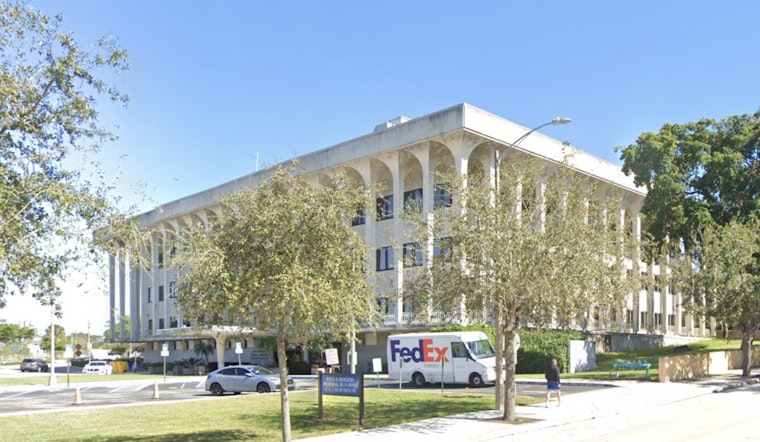
A federal judge has handed Tenet a major win in Palm Beach County, ordering The Leapfrog Group to strip its hospital safety grades from five Tenet-owned facilities after finding that the nonprofit’s rating formula punished hospitals that skipped voluntary surveys. The injunction forces Leapfrog to pull the disputed grades dating back to fall 2024 and to alert any third parties that licensed those scores.
Judge calls methodology unscientific and deceptive
U.S. District Judge Donald Middlebrooks took direct aim at Leapfrog’s 2024 scoring tweak, writing that the change, which effectively saddled non-responding hospitals with low default scores, “has no scientific basis” and “constitutes an unfair and deceptive business practice.” He ordered corrective disclosures and the removal of recent grades but declined to award monetary damages, as reported by The Dallas Morning News.
Palm Beach Health Network, the Tenet-owned system that filed the suit, said the ruling validates long-standing complaints that Leapfrog’s grading system coerced hospitals into playing ball and hurt patients by steering volume away from facilities that did not participate. Maggie Gill, a regional president for Tenet, argued the decision should trigger nationwide changes so hospitals are not “coerced into participating,” according to WUSF.
Leapfrog is not backing down. In a statement, President and CEO Leah Binder said the group “vehemently disagree[s]” with the decision and will appeal, even as it complies with the injunction. Binder cast the ruling as a threat to consumers’ ability to see independent ratings and said Leapfrog will adjust its spring release and craft a new methodology for the fall, according to Leapfrog.
How the 2024 change shifted scores
At the center of the clash is Leapfrog’s 2024 policy change that assigned “Limited Achievement,” the lowest performance category, to several core measures when hospitals did not submit the nonprofit’s voluntary survey. The plaintiffs say that move artificially dragged down final grades. The affected measures included computerized physician order entry, bar-code medication administration, intensive-care unit physician staffing and hand-hygiene monitoring. Together, those elements could make up roughly one-third of a hospital’s final grade, according to FierceHealthcare.
What happens next
Leapfrog says it is complying with the injunction and has already moved to remove the affected scores. The nonprofit also said it is pulling grades for nearly 500 hospitals that declined to participate in its surveys and will withhold spring 2026 safety grades for non-participating hospitals while it works on a new methodology for the fall, according to Leapfrog. The court order further requires Leapfrog to notify all entities that licensed the disputed grades that those ratings were found to be deceptive and unfair.
Legal implications
Legal observers note that the ruling, which applied Florida’s Deceptive and Unfair Trade Practices Act to a ratings organization, could open the door to similar attacks on other consumer-review systems and spark First Amendment debates on appeal. Analysts quoted by Becker's Hospital Review said higher courts may revisit the decision, but for now it sends a clear message that ratings outfits need to reconsider how they handle missing data.
The fight also highlights how high the stakes are for major health systems and the companies that rate them. Tenet, the Dallas-based for-profit hospital operator behind Palm Beach Health Network, reported adjusted EBITDA of about $4.57 billion for 2025 in its earnings release and ranks among the largest U.S. healthcare companies by market value. See Tenet’s full release on Tenet, and a market-cap ranking on CompaniesMarketCap.com.





