

























































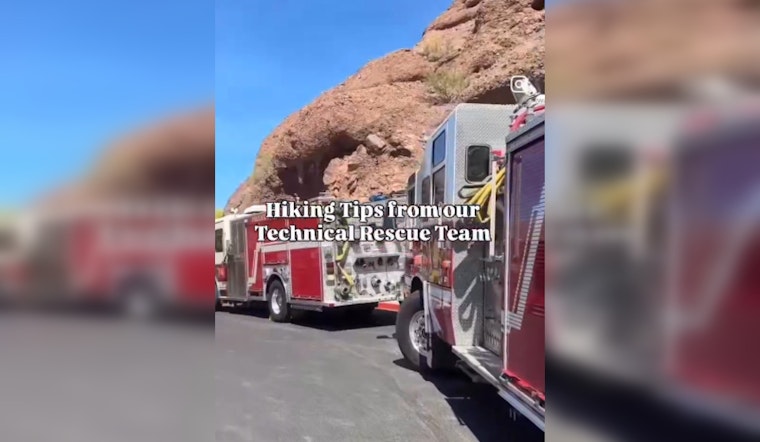
Phoenix’s trails turned into a full-time job for firefighters after crews pulled off six separate hiker rescues in just 24 hours, prompting a blunt warning from the department. Phoenix Fire officials say the cluster of calls looks more like a trend than a fluke, with familiar missteps – dehydration, overconfidence, and bad footwear – turning casual hikes into technical rescues. Their message: a little real-world prep can be the difference between snapping summit selfies and dialing 911.
In a post on Tuesday, March 17, the Phoenix Fire Department told followers that "six rescues in 24 hours isn’t a coincidence" and urged anyone eyeing a trail day to listen to "real advice" from the crews doing the work, according to the Phoenix Fire Department. The post also highlighted the department’s size – about 2,000 firefighters providing fire and EMS coverage citywide – and framed the warning as hard-earned, on-the-ground guidance, not some generic seasonal safety flyer.
Six rescues in 24 hours isn’t a coincidence. If you’re planning to go on a hike soon, you need to hear this. Real advice. From the #PHXFire crews making the rescues. https://x.com/i/status/2034030777483334092
- Phoenix Fire Dept. (@PHXFire) March 17, 2026
What crews are seeing on the trails
A City of Phoenix review of mountain-rescue data from 2021 through 2024 found that combined rescues on Camelback Mountain and Piestewa Peak totaled 58 in 2021, 45 in 2022, 30 in 2023 and 35 in 2024, flagging shifts with multiple rescues as a recurring headache on hot days, according to the City of Phoenix report. Analysts reported that during the hotter months, heat-related illness, not traumatic injury, filled most patient charts, and that dozens of multi-patient incidents lined up with forecast highs above 100°F.
Officials have been warning that this spring’s heat wave arrived early and angry. "Hydration is so key to having a successful hike," Phoenix Fire Captain Todd Keller told Arizona's Family, which noted that first responders handled hundreds of hiking rescues over recent seasons. Arizona's Family also reported that Camelback Mountain alone accounted for dozens of last year’s rescues, a reminder of how fast a simple summit attempt can flip into a ropes-and-stretcher operation.
Public radio outlet KJZZ has tracked an uptick in heat-related mountain rescues this heat season and pointed out that Phoenix’s trail-closure rules have helped cut call volume at restricted peaks. Our earlier coverage of a March 5 Piestewa Peak hoist rescue shows how a simple slip or heat issue can turn into a helicopter ride off the mountain; see airlifted off Piestewa Peak for on-scene details.
How to hike without becoming a callout
Fire and city officials say the recipe for staying off the rescue log is not complicated: bring plenty of water (at least two liters for short, steep routes), start hydrating the night before and keep sipping on the trail, top off your phone battery to 100 percent, lace up actual hiking shoes, and hit the trail before sunrise to dodge the worst of the heat. The City of Phoenix’s trail pages and its "Take a Hike. Do It Right." guidance echo those basics and remind hikers that some routes may close during extreme-heat alerts, so checking current hours and conditions on the city site is part of the prep.
Anyone heading out this week is urged to keep an eye on Phoenix Fire’s X feed for real-time updates and on the city’s trail pages for official closure notices, both of which can shift with the forecast and available crews. After six rescues in a single day, officials say the takeaway is clear: even a short, familiar climb can become a technical rescue scene, so plan conservatively, bring a partner when you can, and call it a day at the first sign that your body is lagging behind your ambition.





