

























































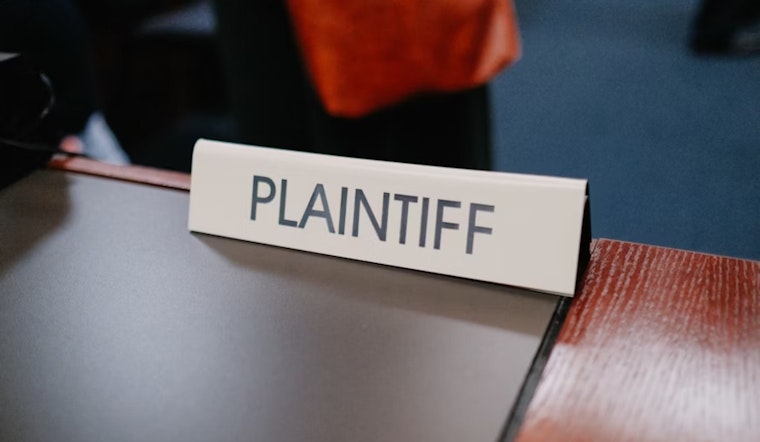
Days before his San Francisco murder trial was set to begin, Scott Fisher, the man charged with killing his girlfriend, abruptly shifted his plea to not guilty by reason of insanity. The move transforms the case from a straightforward murder trial into a two-step legal process that will hinge on psychiatric evaluations and a potential separate sanity hearing. Friends and witnesses in court have described what they saw as signs of mental deterioration in the weeks leading up to the November 2023 killing.
According to the San Francisco Chronicle, Fisher entered the new plea in San Francisco Superior Court today. Judge Gloria Rhynes appointed two psychological experts to evaluate Fisher, ordering them to interview him and to file written reports for the court's review before the case moves forward. The shift means the proceedings will be split in two: a trial on guilt first and, if needed, a separate phase focused on Fisher’s sanity at the time of the killing. The parties are expected to reconvene after the evaluations are complete.
Scene and arrest
Police found 27-year-old Kimberly Wong unresponsive during a welfare check at her Presidio Heights apartment on November 30, 2023, with a large chef’s knife lying nearby, as reported by KTVU. About a week later, officers arrested Fisher in Concord, and he was booked on a murder charge, authorities said.
Evidence and surveillance
At a preliminary hearing, prosecutors laid out surveillance footage and forensic evidence they say tie Fisher directly to the scene. Local reporting shows video of the couple arriving at the building, and of Fisher leaving and then re-entering around the time of the attack. DNA testing reportedly matched Fisher to the handle of the knife, while Wong’s DNA was found on the blade, according to SFist.
Witnesses describe mental decline
Friends who testified at the hearing said Wong had told them she was scared by Fisher’s recent behavior. They recounted incidents, including Fisher allegedly shaking her awake and a prior episode in which he allegedly lunged at her in the shower. Witnesses also described what they perceived as increasing paranoia in the days before she died, including worries about artificial intelligence, according to the San Francisco Chronicle.
The defense's theory
Fisher’s attorneys have floated an alternative theory, suggesting that an intruder could have been responsible for the killing. They have pointed to an unmonitored entryway in the building as part of that argument and have raised questions about the prosecution’s timeline and the apartment’s layout, according to SFist.
What an insanity plea means
A plea of not guilty by reason of insanity, often shortened to NGRI, does not automatically set a defendant free. Instead, it triggers a separate set of legal procedures. Under California law (Penal Code §1026), a person found not guilty by reason of insanity can be committed to the Department of State Hospitals rather than sent to prison, and the state hospital system lists NGI in its legal commitment codes, according to the Department of State Hospitals. California practice calls for a bifurcated process in which a jury decides guilt first and considers sanity only if it finds the defendant committed the crime, as explained in state jury guidance from Justia.
Next steps
Psychological evaluators will now interview Fisher and submit their reports for the court to review before any full trial proceeds. For the moment, the case remains pending in San Francisco Superior Court while both sides await the experts' conclusions.


