

























































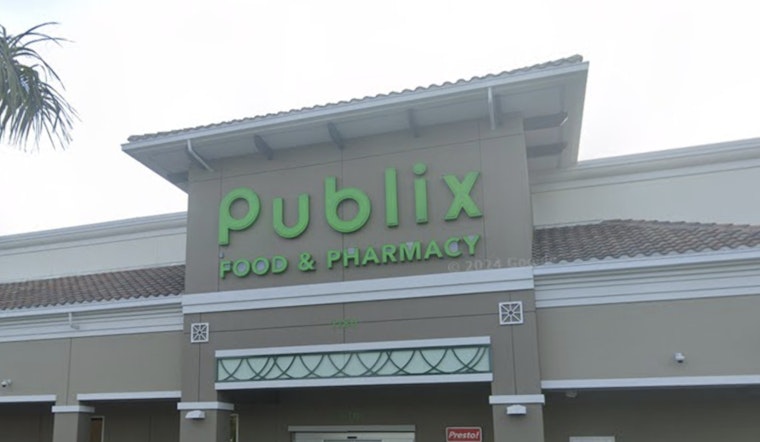
A Florida appeals court has taken Publix Super Markets off the legal hook for a 2021 shooting that left a grandmother and her grandson dead inside a Royal Palm Beach store, upholding a lower court's summary judgment and shutting down, at least for now, the estates' bid to hold the grocery chain financially responsible. At the heart of the ruling is a tough question for modern retail life: how much a single storefront can be expected to foresee a sudden, random act of violence.
The shooting happened on June 10, 2021, inside the Publix at the Crossroads in Royal Palm Beach. Deputies found three people dead at the scene, the two victims and the gunman, who died by suicide, and identified the store at 1180 Royal Palm Beach Blvd, according to the Palm Beach County Sheriff's Office.
The estates of S.V. and Litha G. Varone later sued Publix in Palm Beach County, arguing the company failed to protect shoppers from foreseeable criminal acts. The complaint leans on national supermarket gun-incident data, Publix's own active-shooter training, dozens of prior police reports in the plaza, and national figures reflecting hundreds of retail gun incidents between 2020 and 2022. The suit seeks wrongful-death damages on behalf of the victims' estates, according to the court complaint.
Appeals Court: No Duty Where No Similar Prior Violence
The Fourth District Court of Appeal affirmed the circuit judge's decision granting summary judgment for Publix, finding that the record did not show prior, similar violent crimes at that specific store and therefore no legal duty to anticipate this attack. The court, as reported by the Tampa Free Press, wrote that "the landowner is not bound to anticipate criminal activities of third persons."
In a concurring opinion, Judge Jonathan D. Levine warned of the "unintended consequences" of imposing liability based on broad national crime trends and stressed that sweeping public-policy choices belong to the legislature, not the courts. Levine suggested that a rule tying liability to nationwide data could pressure retailers to hire armed guards and install constant surveillance, costs that would ultimately land on the public, according to the Tampa Free Press.
How the Ruling Fits Into Established Law
The decision follows long-standing precedent that a landowner generally does not owe a duty to shield customers from unpredictable criminal acts by strangers unless the owner had actual or constructive notice of similar prior incidents. Courts tend to focus on store-specific history rather than broad national crime statistics when they analyze foreseeability and duty. For background on how appellate courts frame this foreseeability principle, see legal summaries on Justia.
Next Steps for the Families and Retailers
Unless the Varone estates persuade the Fourth District to rehear the case or obtain discretionary review from the Florida Supreme Court, the summary judgment will remain in place and the suit against Publix will close. The Fourth District, which hears appeals from Palm Beach County and nearby circuits, also controls whether a case can move on to state-level review through its orders, according to the Fourth District Court of Appeal.





