

























































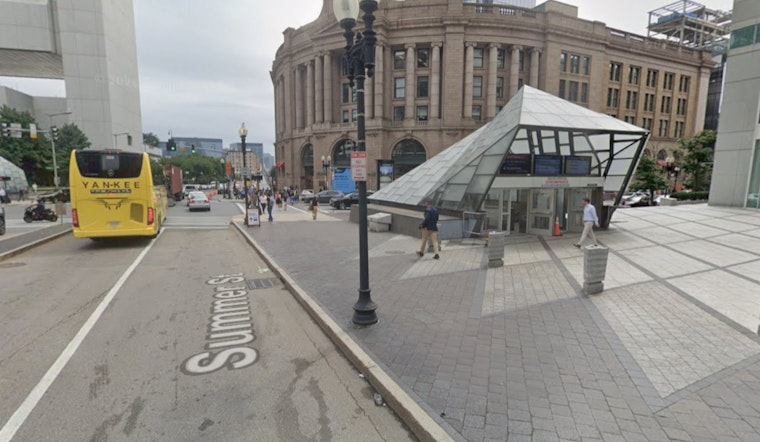
State Sen. John Keenan is turning up the heat on the MBTA, pushing the agency to bring the overdose-reversal drug naloxone back to subway stations after a one-year pilot quietly fizzled out, leaving boxes empty, broken or even covered by trash bags at stops including Harvard, Quincy Center and South Station. Keenan has filed legislation to expand the effort beyond the Red Line and require naloxone cabinets on the Red, Blue, Green and Orange lines. Advocates and clinicians say having Narcan within reach at busy transit hubs can prevent foreseeable deaths.
What Keenan's bill would do
The legislation, S.2398, would require accessible naloxone cabinets at every Red, Blue, Green and Orange line station, with each box stocked with intranasal naloxone and instructional signage, according to the Massachusetts Legislature. The draft specifies two units of 4 mg intranasal naloxone per box and calls for MBTA reporting on costs and outcomes. The measure is sponsored by Sen. John Keenan and is before the Joint Committee on Transportation.
Pilot started strong, ended quietly
The MBTA installed 15 cabinets at five Red Line stations - Quincy Center, Ashmont, Andrew, South Station and Harvard - as a summer 2024 pilot but stopped supplying naloxone about a year later, the agency told lawmakers. In a report to the Legislature, the T said it spent $55,515 of the $95,000 appropriated and supplied more than 500 doses, but did not document any reversals on MBTA property. Many of the cabinets remain on station walls but are reportedly empty, broken or covered, as reported by WBUR.
MBTA says it lacks resources
In its report, the MBTA concluded it "does not currently have sufficient resources or appropriate personnel needed to manage the day-to-day administration of such a program" and recommended that a third party run the stocking and oversight, according to WBUR. The authority said its transit police will continue to carry naloxone and that it reached out to the Department of Public Health and Cambridge Health Alliance about assistance. Keenan pushed back, saying station maintenance staff already perform routine checks and could incorporate cabinet monitoring.
Why advocates want it back
Public-health experts and the Harvard students who first proposed the project argue that targeted, public naloxone access helps save lives in places where overdoses cluster. State data show overdose fatalities dropped sharply in recent years - the Department of Public Health recorded about 1,336 opioid overdose deaths in 2024, a roughly 37% decline from 2023, as reported by Boston.com. Researchers including Dr. Scott Weiner have published peer-reviewed work on overdose patterns and naloxone distribution that inform a targeted rollout, as detailed on PubMed.
What comes next
The bill remains before the Joint Committee on Transportation and will need to clear that panel and both branches of the Legislature to become law, according to the filing on the Massachusetts Legislature. Lawmakers will also have to decide whether the MBTA should manage the program directly or contract with a third party to stock and monitor boxes, as the T recommended in its report. Expect further testimony from public-health groups, transit advocates and local officials as the debate continues.





