

























































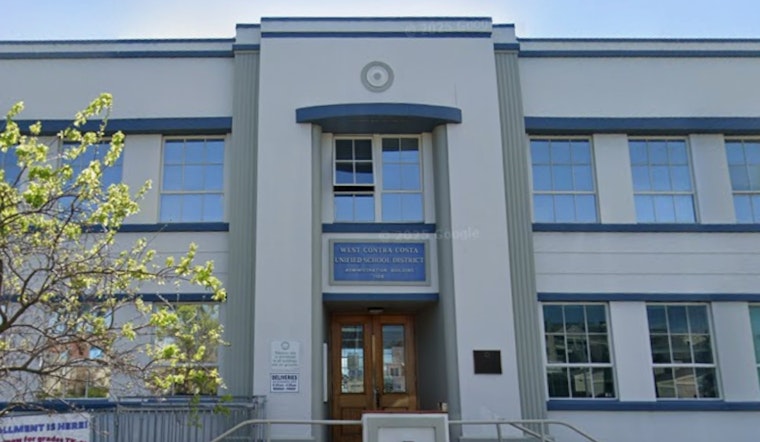
An education lawsuit with big stakes for Richmond-area classrooms has landed before a state appeals court, putting West Contra Costa Unified's heavy reliance on long-term substitutes under the microscope. At the center is Cleare et al. v. West Contra Costa Unified School District, a civil rights case alleging that Helms Middle, Stege Elementary, and John F. Kennedy High were repeatedly staffed by rotating or uncertified substitutes rather than a single credentialed teacher. What happens next could shape not only those campuses, but also how districts across California respond to teacher shortages.
Attorneys for both sides argued Monday before the First Appellate District in San Francisco, and judges signaled a ruling could come in the next few months, according to SFGATE. The complaint grew out of Williams-style claims filed in 2024 that accused school leaders of failing to provide qualified teachers, leaving credentialed staff to cover extra classes and cutting into their preparation time. At trial, the district successfully argued that national staffing shortages left it with no realistic alternative to assigning substitutes in some classrooms.
The case began when three teachers filed formal Williams complaints in January 2024, alleging that West Contra Costa Unified repeatedly left core classes without a properly certified instructor and used substitutes beyond what emergency permits allow. Documents filed by Public Advocates detail specific vacancies and describe long-term or rolling substitutes covering the same class for months, sometimes without a designated teacher of record at all. Those filings point to problems at Helms, Stege and Kennedy and argue the practice harmed multilingual learners and other vulnerable students, according to Public Advocates.
District officials have acknowledged staffing shortfalls and say vacancies were driven by transfers and late departures during the 2022-23 school year. Even so, they have pushed back against court-ordered fixes, local reporting shows. Contra Costa Superior Court Judge Terri Mockler denied the plaintiffs' motion for a new trial after an October decision that favored the district, a move that sent the case to the Court of Appeal. Richmondside reported on the superior court ruling and the reaction from teachers and families.
What's at stake
Public Advocates, which represents the plaintiffs, argues that a win for the district could "open the door" for other systems to sidestep the Williams guarantee that every classroom have a qualified teacher. "We cannot let this terrible precedent stand and we plan to appeal," Public Advocates managing attorney John Affeldt said in a press release. The group says the consequences would fall hardest on low-income, Black and Latinx students at the district's highest-poverty campuses, according to Public Advocates.
Teacher shortages and policy pressures
California's statewide teacher shortage is the backdrop to all of this, and lawmakers have been debating possible fixes such as Assembly Bill 1224, which would allow substitutes to remain in a single assignment for up to 60 days. Critics argue that expanding emergency substitute authority without stronger accountability would deepen gaps between affluent and under-resourced districts, an argument laid out by EdSource. That tug-of-war helps explain why the appeals court's decision is drawing attention far beyond Richmond, since it could influence statewide policy on substitute use and accountability.
Legal implications
The core legal question on appeal is whether a documented teacher shortage can excuse what plaintiffs describe as an unlawful abandonment of the Williams standards. If the court rules for the plaintiffs, judges could order West Contra Costa Unified to staff the named classrooms with credentialed teachers, require a written recruitment and assignment plan, or impose new limits on long-term substitute placements. If the court sides with the district, advocates warn that other school systems may point to shortages to justify similar staffing choices, a scenario already flagged by local reporters and unions in coverage by Richmondside.
Judges did not set a firm timetable during oral arguments, but observers expect a ruling within months that will be closely watched by parents, teachers and unions in Richmond and across the Bay Area, according to reporting and court notices. Plaintiffs have signaled they will keep pressing the case through the courts if necessary, while district leaders say they are confronting the same national shortage that has strained schools across California. For now, the fate of classrooms at Helms, Stege and Kennedy sits with the appeals court.




