

























































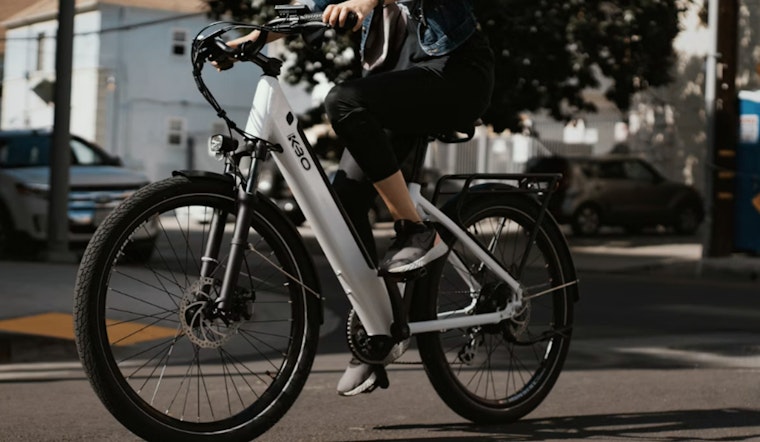
Rocklin police and school leaders say their crackdown on throttle-equipped, high-powered e-bikes is already changing the daily scene at local campuses. Since the district shifted from warnings to actual enforcement this winter, far fewer students are rolling up on those bikes, and the once-jammed racks at several elementary and middle schools have thinned out. District officials and police say tougher rules, safety outreach and quick fixes from local repair shops are all playing a role.
How the ban works
The Rocklin Unified School District phased in the new policy over several months. According to the Rocklin Unified School District, staff focused on education in December, followed by a warning-only period in January, before moving to administrative enforcement on February 2, 2026.
Under the progressive discipline system, students can face a warning, detention, parent meetings and, in some cases, a requirement that families come to campus to pick up noncompliant bikes. School resource officers are backing up campus staff on enforcement. The district says the policy is aimed at keeping elementary and middle school students safer while it continues outreach to families.
Police data and safety concerns
Rocklin police say the tougher stance did not come out of nowhere. They have been tracking a sharp rise in crashes and injuries involving e-transportation, particularly among middle-school–age riders. As reported by The Sacramento Bee, the department told reporters that 68% of the city’s bicycle collisions involved e-bikes, about 69% of collisions took place between 7 a.m. and 5 p.m., and there were 17 e-bike–related injury crashes in 2024, 13 of them involving juveniles.
Those numbers, combined with what officials describe as a series of close calls around schools, helped push the district and police toward the new on-campus restrictions for higher-powered rides.
What students and families are saying
Not everyone is thrilled. Some students who depend on e-bikes to get to school say the rules are complicating life for families that already have limited transportation options. As reported by KCRA, district communications chief Sundeep Dosanjh said the policy is meant to keep students “safe and ready to learn.” At the same time, some parents have asked the district to help identify alternatives for kids who suddenly find their main way to school off-limits.
Enforcement results and local fixes
District and police officials say the combination of the ban and more rigorous checks has already reduced the number of throttle-equipped bikes on campus. They also told reporters that there were no e-bike collisions involving children 15 or younger during February.
The Sacramento Bee reported that local bike shops are stepping in with a relatively cheap workaround. For roughly $30, some shops are removing throttles from Class 2 models to convert them into pedal-assist Class 1 bikes. Mayor David Bass has praised the city and school partnership on safety, and officials say those short-term fixes, along with continued outreach, give families more options as enforcement ramps up.
What the law says
State rules break e-bikes into three classes. Class 1 and Class 2 models are limited to about 20 mph, while Class 3 bikes can assist up to about 28 mph and, under state rules, require riders to be at least 16 and to wear helmets. The district’s presentation outlines those definitions and notes that the on-campus ban is focused on throttle-equipped Class 2 bikes, which can be modified to go faster. The board’s full details are available in the Rocklin Unified presentation. (Rocklin Unified School District.)
Officials say the goal is to strike a balance between safety and practicality: keep the riskiest, higher-speed bikes off elementary and middle school grounds while giving families time and options to shift to lower-speed models. The district and police say they plan to keep up enforcement, education and community collaboration as Rocklin adjusts to the new rules.



