

























































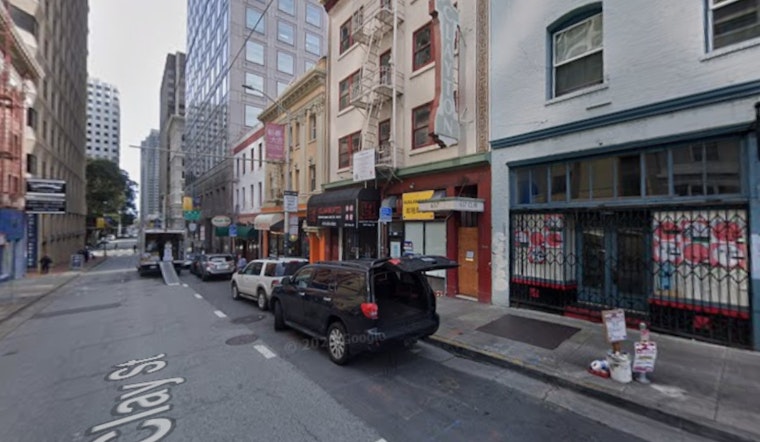
On a recent Friday in San Francisco’s Chinatown, longtime residents filed back into the refurbished Clayton Hotel, ending nearly a year of displacement while the building got a sorely needed overhaul. The 82-unit single-room-occupancy building at 657 Clay Street had been closed for roughly 10 months while tenants were relocated and crews tackled modest but crucial repairs, from a new roof to brighter hallways, upgraded community kitchens, and fixed-up bathrooms and laundry rooms. The result: safer, cleaner rooms in a building that was never fancy, but is now far less fragile.
According to reporting by the San Francisco Chronicle, the rehab cost about $9.3 million, with the Chinatown Community Development Center (CCDC) covering nearly $2 million of hard construction costs and temporary relocations. The Chronicle notes that Clayton rooms run roughly 60 to 85 square feet, with tenants paying around $250 to $550 a month, and an average annual household income near $17,000. In-room tweaks, including new bedframes and refrigerators partly funded through state preservation aid, round out the face-lift, the paper reports.
State program aimed at preserving aging affordable homes
The California Department of Housing and Community Development launched the Portfolio Reinvestment Program in 2022 to shore up existing HCD-funded affordable housing. The idea is to extend affordability covenants and pump in low-interest rehabilitation loans and forgivable operating subsidies so older buildings do not slip out of reach for low-income tenants. The program is specifically aimed at properties most at risk of conversion to market rate, including small SRO hotels and buildings that have struggled to attract private financing, according to the California Department of Housing and Community Development.
Even with that help, demand has blown past available funding. The San Francisco Chronicle reports that PRP awards total about $427.5 million, spread across roughly 1,880 units in 41 properties, and that the program’s second round was overprescribed within two minutes of the portal opening, as a department official told the paper. That gap leaves nonprofits and local governments scrambling to plug holes for relocation and other extra costs just to keep longtime residents in their homes.
Preservation's place in a city chasing new units
Under its housing element, San Francisco is required to plan for permitting roughly 82,000 new homes by 2031, a mandate that tilts much of the political focus toward new construction instead of keeping older buildings viable. Preservation advocates argue that while shiny new projects attract headlines and big checks, the city’s older income-restricted buildings quietly need steady capital just to remain safe and affordable. Those concerns show up in state preservation efforts and in the city’s own planning targets, per San Francisco Planning.
For tenants who made it back to the Clayton, the policy debates boil down to something simple: modest rooms that are now warmer, drier, and better equipped. CCDC, which identifies the Clayton as its first residential hotel and now manages dozens of properties in the neighborhood, says investments like this are crucial to keeping low-income San Franciscans housed as costs climb. Advocates add that if state and federal preservation funding grows, more aging SROs could get the same lifeline, per the Chinatown Community Development Center.





