

























































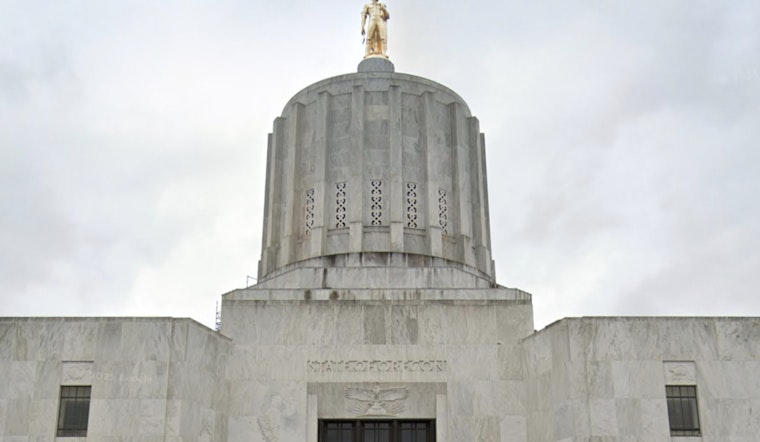
Hearing rooms at the Oregon State Capitol in Salem were standing-room only this month as hundreds of educators, specialists and parents showed up to challenge a decades-old limit on special education funding. They were there to back House Bill 2953, which would scrap Oregon’s 11% cap on extra per-student special-education dollars. Classroom staff described how the cap feeds staffing shortages and budget gaps, leaving some students in one-on-one or isolated online placements instead of learning alongside their peers.
What House Bill 2953 would change
House Bill 2953 is written to remove the percentage cap on how much money from the State School Fund can follow a student who qualifies for special education, according to OLIS. Advocacy groups and reporting say the current 11% ceiling, set in 1991, no longer reflects student need. Nearly 15% of Oregon students received special education services in 2023–24, leaving roughly 20,000 students without full funding and creating an estimated $750 million gap per biennium, OPB reports. As the bill moved out of its first committee, lawmakers added accountability provisions, and it now heads to a deeper fiscal review.
Voices from the hearing
Testimony at the hearing put faces and names to those numbers, as reported by KATU. Moira Finnegan, a speech-language pathologist with Portland Public Schools, told lawmakers, "we don’t have enough staff to meet the needs of our students." Veteran teacher Venus Reeve said some students are "isolated from their peers" because districts cannot afford enough inclusive classroom placements. Bill sponsor Rep. Courtney Neron framed HB 2953 as a bid to fund inclusion and told KATU that legislators need to "invest more in special education services to get our students the resources they need to thrive."
Funding shortfalls strain district budgets
The cap does not just show up in classrooms; it hits district budgets hard. Districts are left to cover an estimated $750 million shortfall per biennium while about 20,000 students go unfunded, OPB reports. Without the cap, Portland Public Schools would have seen roughly $15 million more for 2023–24 and currently spends nearly $25 million beyond state and federal special-education dollars to pay for services, according to OPB. Advocates warn that leaning on waivers and district general funds drains money from other classroom programs and makes long-term planning tougher for systems already under broad financial pressure.
Next steps and the political math
Following its public hearing, HB 2953 cleared the House Education Committee and now faces more detailed scrutiny from revenue and budget panels, according to OLIS. Sponsors added reporting and accountability rules intended to track how districts use the money and guard against misuse. Whether the proposal actually gets funded will come down to budget talks in the weeks ahead and whether lawmakers are ready to find the hundreds of millions of dollars needed to lift the cap.
What to watch
Union and parent groups say they are not easing up as the bill moves through fiscal committees, a push the Oregon Education Association has echoed in its advocacy materials. If legislators raise or remove the cap, districts say it could free up general-fund dollars for other programs and ease pressure on special-education staff. For now, the outcome hangs on how the legislature decides to balance cost, oversight and a long list of competing priorities.





