

























































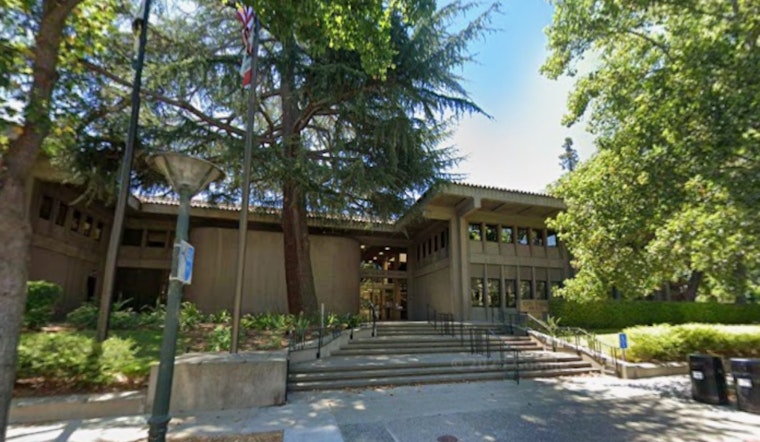
San Carlos is staring at a state-assigned target to plan and permit 2,735 new homes by 2031, and a large share has to be affordable. City staff told the Planning and Transportation Commission earlier this week that the city has approved only a sliver of that total, even as building permits ticked up in 2025. The commission took no action, and staff will bring the presentation to the City Council on March 23.
What the target requires
San Carlos' 2023 housing element breaks the allocation down to 739 very-low-income units, 425 low, 436 moderate and 1,133 above-moderate units, a total of 2,735 units, according to San Carlos' 2023 Housing Element. The allocation is part of the Bay Area's 2023–31 RHNA plan, adopted regionally by the Association of Bay Area Governments, which set a large regional target for the eight-year cycle. Meeting that income mix, planners say, means the city must not only allow more homes but also make room for deeply subsidized units that are harder to finance.
Progress so far
As reported by the San Mateo Daily Journal, San Carlos has met less than 6% of the 2,735-unit goal. City staff told commissioners the city issued 70 building permits in 2025, including 12 market-rate, 29 moderate, 15 low and 13 very-low units, after issuing 31 permits in 2023 and 38 in 2024. The staff report tallied progress at roughly 8.4% of market-rate, 6.6% of moderate, 3.5% of low and 1.9% of very-low units toward the respective targets.
Pipeline and policy tools
The city’s housing element lists about 352 approved or proposed units that are counted toward the RHNA and identifies opportunity corridors along El Camino Real and San Carlos Avenue for higher-density growth, according to San Carlos' 2023 Housing Element. San Carlos also relies on a Below-Market-Rate ordinance that generally requires 15% of units in market projects to be affordable, and staff say updates to zoning and design standards are aimed at making development more attractive to builders. Staff caution that pipeline units are only credited once permits are issued, so approvals do not yet translate into completed or counted homes.
Why it is a steep climb
Commissioners and staff said the heavy affordable requirement makes the assignment difficult to meet under current market and funding conditions. Chair Kristen Clements noted that whether projects move forward often comes down to financial feasibility. Staff said they are pursuing up-zoning, clearer design standards and other incentives in an effort to reduce barriers for developers.
Legal stakes
There are statutory consequences if a jurisdiction fails to adopt or implement a compliant housing element. The state reviews adopted elements, can notify the Attorney General of violations, and courts may order remedies that can include suspending permits or forcing rezoning on an accelerated timetable. Those enforcement mechanisms are laid out in state housing law and related Government Code provisions; readers are directed to the relevant Government Code sections for details.
What is next
The Planning Commission took no action, and staff will present the item to City Council at its March 23 meeting in City Hall Chambers, which is listed on the local event page for the venue. Councilmembers can move to adopt rezoning, design changes or incentive programs at that session as staff seeks to shore up the pipeline and spur permitted construction.
With fewer than six years left in the 2023–31 period, San Carlos faces a narrow window to rework rules, secure subsidies and shepherd projects through permitting if it is to meet a particularly affordability-heavy assignment. Officials say the next council session will be an early test of how far policy changes can close that gap.





