

























































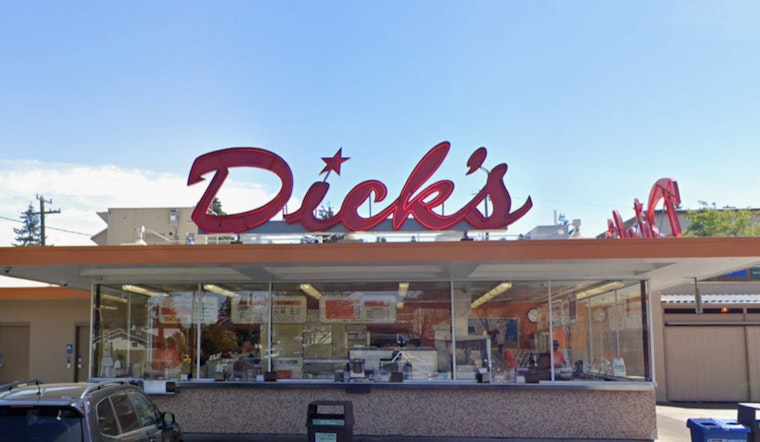
Seattle institution Dick’s Drive-In is facing a class-action lawsuit that claims the beloved burger chain has been quietly stiffing its workers on basic labor protections, from rest breaks to overtime pay.
Filed on Feb. 18, 2026, the complaint targets Dick’s locations across the Puget Sound and accuses the company of a pattern of wage and hour violations that could affect a broad swath of current and former crew members if a court signs off on class certification.
The case was brought by plaintiff Madison Masterson in King County Superior Court and, according to KING 5, claims that Dick’s failed to pay overtime for hours worked beyond 40 in a week, required staff to work more than three hours at a stretch without a 10-minute rest break, did not provide a 30-minute meal break for shifts of five hours or more, blocked the use of accrued sick leave for qualifying absences, and did not pay all wages owed when employees left the job. The lawsuit asks the court to certify a class and seeks back pay, penalties and other relief.
What the complaint alleges
The filing stacks up several wage and hour claims that, if approved as a class, could cover hourly crew across Dick’s ten drive-in locations and its food truck shifts. The complaint links missed rest and meal periods to undercounted work time, then argues that those practices led to unpaid overtime whenever those extra minutes pushed employees past 40 hours in a week. Plaintiffs also say the same practices fed into wrongful denials of accrued sick leave and shorted final paychecks when workers left the company.
What Washington law requires
Under Washington law, most workers are entitled to a paid 10-minute rest break for roughly every four hours on the clock and a 30-minute meal period for shifts that go longer than five hours. State enforcement guidance notes that when those breaks are missed or interrupted, employers can end up on the hook for additional pay and overtime obligations. The Washington State Department of Labor & Industries spells out the rules and the wage consequences tied to meal and rest periods, and workers can file complaints with the agency for enforcement. The Washington State Department of Labor & Industries publishes materials that outline these standards in detail.
A local landmark under scrutiny
Dick’s Drive-In opened in Seattle in 1954 and has grown into a regional fixture, with 10 drive-in locations and two food trucks listed across the South Puget Sound. That footprint gives the lawsuit added weight, since a certified class could sweep in workers from across the chain. The company’s own website leans into its long history and local reach, highlighting just how many workers and late-night customers are tied to the brand. See Dick's Drive-In Restaurants for the full rundown of locations and company history.
Company response
A company spokeswoman, Jasmine Donovan, told KING 5 that “the company cannot comment on active litigation but is reviewing the claims.” The plaintiff’s law firm could not be reached for an immediate response, and Dick’s did not provide further details to reporters about how it handles scheduling or pay.
What could happen next
The case still has to clear procedural hurdles, starting with the plaintiff’s request to certify a class. If a judge grants that step, the lawsuit could move into broader discovery, settlement negotiations or a full trial. Wage and hour cases in the Seattle area have produced sizable payouts in recent years, and a recent employment suit involving a Seattle restaurant group ended with a seven-figure resolution. This new case could follow a similar path or end up being fully argued in court, as covered by Eater Seattle.





