

























































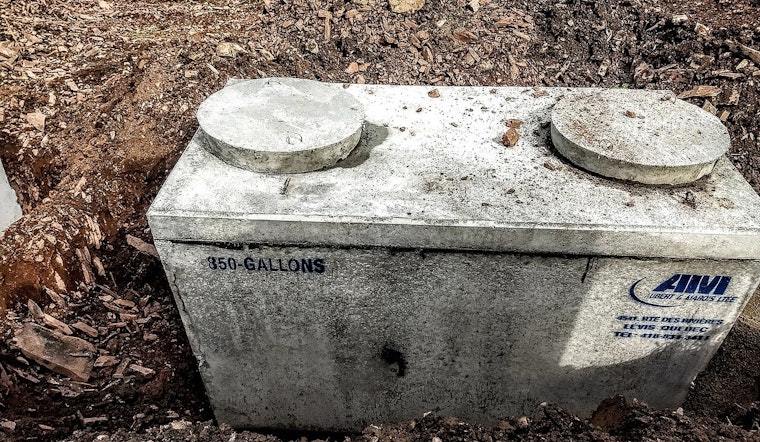
Clark County officials are suddenly staring down a full-blown septic revolt, as homeowners who rely on septic tanks push back hard against how a new state law might hit their wallets. After a loud, overflow public meeting left residents fuming and staff overwhelmed, the Southern Nevada Health District hit pause on its rule-making process and county leaders scrambled to line up more meetings.
The showdown erupted at the Centennial Hills YMCA, where the gathering spilled into the Active Adult Center and beyond. Estimates put the crowd somewhere between about 1,000 and 1,500 people, with hundreds stuck outside while staff wrestled with microphones, crowd control and long lines. The meeting was ultimately postponed so officials could find a bigger venue and take more public comment. Local TV coverage captured just how heated things had gotten, and as KTNV reported, the turnout spotlighted just how widespread the opposition is.
Within a day the Southern Nevada Health District tried to cool things off. In a public statement, the agency stressed that its draft updates are meant to "modernize 17-year-old regulations" and insisted that "no new permits will be required for existing septic system owners." According to the district, the permit-renewal language in the draft would apply only to newly built systems or major repairs, and rural properties on domestic wells would not be forced to connect to sewer. The district also said it would keep gathering public input and would not vote on final regulations until outreach is complete. As the Southern Nevada Health District put it, the broader goal is to protect groundwater without dropping surprise costs on existing homeowners.
What the state law requires
Assembly Bill 220, passed by the Legislature in 2023, is the backdrop for the entire fight. The law authorizes district boards of health in large counties to require property owners with septic systems that sit within 400 feet of a public sewer line to connect by Jan. 1, 2054, and to review septic permits every five years. It also lets local boards set up programs to help pay for conversions and, if needed, impose fees to fund those programs. Those are the sections the Southern Nevada Health District says its proposed rules are trying to implement. For the full legislative language, see Assembly Bill 220.
Why homeowners are alarmed
Local reporting estimates that roughly 17,000 Clark County properties still run on septic systems, many in older subdivisions or on large lots that were never tied into sewer. Homeowners worry that inspections, permit renewals or an official finding that sewer is "available" could lead straight to mandatory hookups. Residents have cited conversion costs that start in the tens of thousands of dollars and can climb well into six figures in some neighborhoods. As homeowners have pushed back over costly septic rules and other local outlets have noted, the lack of a clearly funded, detailed conversion program is one of the biggest sticking points.
What’s next
For now, officials are promising more talking and less rushing. The health district has paused its rule-making, promising to reschedule public outreach in a larger venue, while county leaders line up additional meetings to debate what comes next. KLAS/8NewsNow reports that Clark County has called a special session to explore whether it can take a narrower approach to implementation or even seek temporary relief from some of the state requirements. The district has pledged to refine its draft rules and post new dates and materials for public review, and there is still no firm timeline for a final vote.
Legal implications
On paper, AB220 gives local health boards the power to require sewer connections and to design programs that help pay for them. That means the Southern Nevada Health District and Clark County can phase in changes through regulation, but the statute also clearly anticipates financial assistance options to ease the hit on homeowners. Any plan that effectively forces large numbers of residents to connect without a clear funding strategy or phased rollout is almost guaranteed to stir political backlash and could invite legal challenges over property rights and administrative process. For those who want to pore over the fine print, the details are in Assembly Bill 220.




