

























































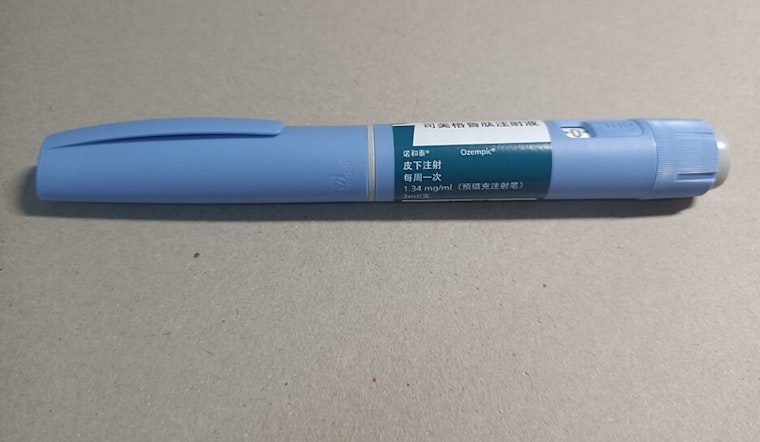
Generic versions of semaglutide, the active ingredient in Ozempic and Wegovy, are about to hit major markets abroad, promising steep price cuts for millions of people with diabetes and obesity. For patients and clinics in San Francisco and across the United States, though, the bargain versions will mostly be something you hear about from friends overseas while court fights and regulatory rules keep the branded drugs front and center at home. The earliest and biggest impact will land in countries where patents and regulatory exclusivities have already run out.
Generics Poised to Hit Huge Markets First
According to The New York Times, key semaglutide protections have expired or lapsed in several of the world’s most populous countries. That opens the door for copycat versions across regions that carry a heavy share of the global diabetes and obesity burden. The Times reports that India could see launches almost immediately, with China, Canada, Brazil, Turkey and South Africa also lining up as early markets.
India’s Day-One Manufacturing Rush
Indian drugmakers are treating this like a starting gun. More than 20 companies, including Dr. Reddy’s, Sun Pharma and Zydus, have readied generic semaglutide products for day-one rollout once the patents fall. India Today and other regional outlets report that firms are already testing injection pens and filing regulatory dossiers, and analysts expect a fast and fierce price war inside India’s domestic market.
Canada Could Be the First Big Western Market
North of the border, Health Canada’s regulatory exclusivity for semaglutide ended in early January. The agency’s public “Submissions Under Review” list already shows applications for generic versions. Health Canada and Canadian coverage say several manufacturers have filed or are preparing to file, although approvals could still take months while regulators vet product quality and injection devices.
How Cheap Could Generics Get?
Academic cost models suggest the current sticker prices are nowhere near the floor. A JAMA Network Open analysis estimated that producing an injectable semaglutide regimen could cost roughly $0.89 to $4.73 per month per patient, depending on dose and formulation. JAMA Network Open and follow up coverage note that once multiple manufacturers jump in, retail prices could plunge. The New York Times cites analysts who see a plausible lower bound in some markets at around $15 a month.
What It Means for U.S. Patients
For the United States and much of Europe, the generic wave is more slow motion than tidal. Broad generic availability of semaglutide is not expected until the early 2030s, which means most Americans will stay on branded Ozempic and Wegovy for years to come. Some patients may eye Canadian pharmacies once generics are approved there, but the FDA personal importation guidance makes clear that cross border imports are tightly limited and often hinge on enforcement discretion, so legal and safety obstacles are very real. For now, manufacturer direct to consumer offers and introductory programs have nudged some cash prices for Wegovy and Ozempic into the low hundreds, roughly $199 to $349 a month for certain self pay options, according to mainstream reporting.
Patents, Price Wars and What to Watch
The next phase will be part courtroom drama, part pricing cage match. Novo Nordisk has already cut Wegovy prices in India and China and has pursued patent challenges in several countries, while generic drugmakers pile up regulatory filings and build production capacity. Business Standard and other outlets report that companies such as Biocon, Sandoz and Dr. Reddy’s are positioning themselves for early launches in both heavily regulated and emerging markets.
The likely outcome is a sharp drop in prices and far broader access in countries where protections have expired, paired with a slower, lawsuit heavy rollout in the United States and Europe where exclusivity and regulatory barriers still hold. For patients watching from San Francisco, the key milestones will be Health Canada approvals, India’s day one launches and upcoming court decisions, which together will shape how quickly lower prices might eventually trickle down to American pharmacies.





