

























































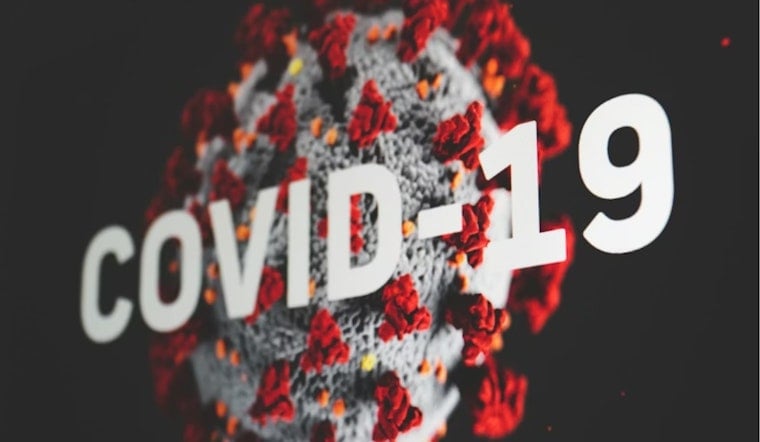
A newly watched COVID offshoot called BA.3.2 has popped up in U.S. wastewater and in a handful of clinical and traveler samples, and federal officials say the first American detection traces back to a traveler who passed through San Francisco International Airport last June. The find has pushed federal genomic surveillance back into the spotlight, but so far BA.3.2 has not been linked to a spike in hospitalizations or a new pattern of illness. California health officials continue to report very low COVID activity statewide while researchers work to see whether BA.3.2 can partially sidestep immunity from prior infection or vaccination.
What CDC found
Last Thursday, the Centers for Disease Control and Prevention released a Morbidity and Mortality Weekly Report laying out the earliest BA.3.2 detections worldwide and in the United States. According to the report, BA.3.2 was first identified in South Africa in November 2024 and, through February 11, had been reported in 23 countries. U.S. detections included nasal swabs from four travelers, clinical samples from five patients, three airplane wastewater samples and 132 wastewater samples from 25 states. The report also notes that BA.3.2 carries roughly 70 to 75 spike protein changes compared with the antigens used in the 2025 to 2026 vaccine formulations, a genetic gap that could affect antibody neutralization, according to the Centers for Disease Control and Prevention.
Why scientists are watching
Technical analyses from the World Health Organization have flagged BA.3.2 as antigenically distinct from the JN.1-derived variants that have dominated recently, and have reported lower neutralizing antibody titers against BA.3.2 in laboratory tests, according to the World Health Organization. A later WHO statement on vaccine antigen composition adds that these lab findings, rather than clinical evidence of more severe disease, are the main reason global experts have placed BA.3.2 under enhanced monitoring.
California response
Local reporting notes that the first U.S. detection came from a traveler who went through SFO on June 27, 2025, and that state officials say COVID activity remains very low across California. The San Francisco Chronicle cites UCSF infectious disease specialists who say BA.3.2 so far appears to cause similar, mostly mild respiratory symptoms compared with other recent variants, and that wastewater signals usually show up before a lineage is widely detected in clinical testing. Public health leaders emphasize that wastewater readings are an early warning system, not definitive evidence that serious disease is on the rise.
What to watch and what to do
Public health advice is unchanged: stay current on COVID vaccinations, test if you develop respiratory symptoms, and follow guidance from your health care provider or local health system if you are at higher risk for severe illness. The CDC report underscores the need for ongoing genomic and wastewater surveillance to see whether BA.3.2's mutations lead to meaningful immune escape or higher community transmission, while the World Health Organization is asking manufacturers and laboratories for more neutralization and vaccine effectiveness data. For now, BA.3.2 makes up a small fraction of sequences in U.S. surveillance, and experts say careful tracking rather than alarm is the appropriate response.
We will keep following federal and state updates as more sequencing and clinical data come in. The bottom line for local readers: a new lineage is on the radar, but the day to day playbook has not changed, and staying up to date on recommended vaccinations remains the most practical defense.




