

























































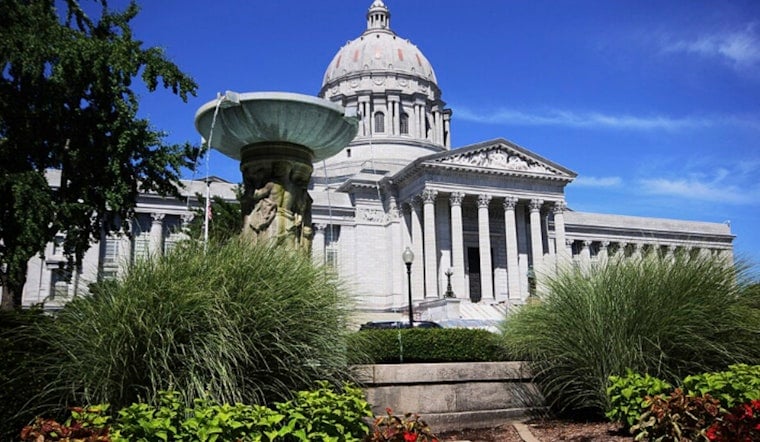
Progressive groups across Missouri are turning the Legislature’s push to phase out the state income tax into something bigger than a single policy fight. For them, the tax battle is a stress test for whether protest energy can be converted into durable political muscle, with organizers working to link labor, reproductive-rights, LGBTQ+ and faith communities into a coalition they hope will last long after lawmakers leave Jefferson City this spring.
The alliance, publicly led by roughly two dozen organizations, has already held eight meetings around the state starting March 12 and has more rallies and gatherings on the calendar into the summer, organizers say. As reported by Spectrum News, those stops have included a March 19 meeting at The Joshua’s House Church in Jefferson City and events with larger turnouts in Kansas City and Blue Springs.
Organizing To Outlast The Legislature
“Organizing is how we win,” Drew Amidei, a regional organizer with Missouri Jobs with Justice, told the Jefferson City crowd, urging volunteers to write lawmakers and sign up for canvassing. That plea fit into a larger message: that the income-tax debate is exposing the links between day-to-day pocketbook issues and the fights over reproductive rights, worker protections and civil rights.
Organizers say that building long-term relationships across those issues is the whole point of the statewide push, not just a side benefit. The choice to present a united front in public, they add, marks a shift from occasional collaborations to a more coordinated, longer-range strategy. As noted by Spectrum News, groups are already recruiting canvassers and training volunteers for the months ahead.
The Legislation And The Stakes
At the Capitol, the spark for all this activity is a proposed constitutional amendment to phase out Missouri’s individual income tax. The Missouri House advanced the plan on March 12 with a 98-54 vote, sending it to the Senate; if senators sign off, the measure will go to voters statewide. Local coverage of the House action is available from KMIZ.
The official fiscal analysis from the Missouri Senate explains that the amendment would let lawmakers broaden the sales-tax base and tie income-tax cuts to revenue triggers. Those triggers could push any effective elimination of the income tax out to 2031 without further enabling legislation. The same analysis also flags uncertainty about how local revenues and constitutionally dedicated funds would be adjusted under the proposal.
Fiscal Trade-Offs And Political Risks
Policy analysts warn that shifting the state’s revenue stream away from wages and toward consumption by expanding sales taxes to services, subscriptions and other purchases can hit lower-income residents harder and introduce more volatility into the budget. Organizers have seized on that point to argue the plan would harm working families.
Local reporting and policy groups have likewise raised alarms about the revenue trade-offs and have pressed for detailed enabling legislation before voters are asked to weigh in. Coverage of earlier hearings and expert testimony has zeroed in on those fiscal unknowns. NewspressNow summarized testimony questioning the reliability of revenue estimates and warning about the potential for sizable budget shortfalls if projections do not pan out.
How Organizers Plan To Fight Back
Groups in the coalition say their near-term objective is only partly about stopping the amendment. Just as important, they argue, is turning curious newcomers at these meetings into long-term volunteers who can lobby legislators, mobilize voters and, if it comes to it, help run a coordinated ballot campaign.
Progress MO, one of the communications hubs shaping the message, has been publicly coordinating outreach, putting out releases and steering volunteers into on-the-ground work as the debate plays out. On its own site, Progress MO casts the tax fight as part of a broader effort to defend voter-approved measures and hold elected officials accountable.
What comes next will hinge on the Senate’s hearing schedule, any tweaks to the ballot language and whether organizers can turn meeting turnout into a lasting volunteer infrastructure. Whatever the final outcome of the tax proposal, the clash has already become a yardstick for how effectively Missouri’s progressive groups can move from short-lived protest to sustained political engagement ahead of what could be a heated ballot battle this fall.





