

























































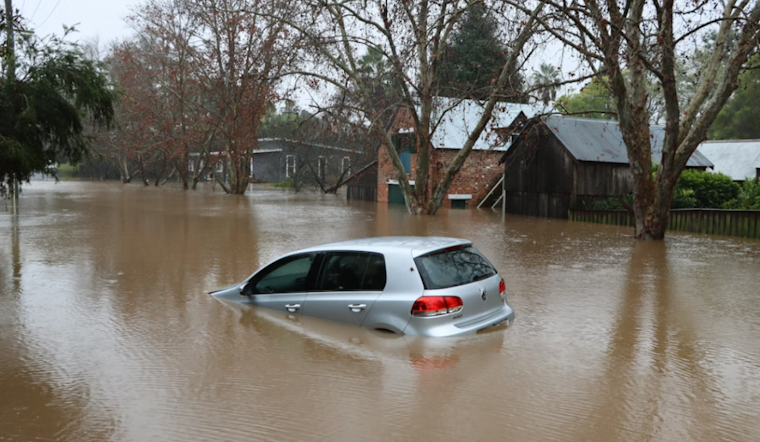
In Annapolis, would-be buyers are taking one look at a soggy basement and heading for the door. Listings that show past flooding or chronic leaks are lingering on the market longer and drawing lower offers, as buyers worry about repair costs, higher insurance premiums, and the risk that financing will fall apart. A wet basement that used to be shrugged off as a weekend project is now a potential deal killer in a market where water has become a front-page concern.
That shift is playing out across the local market. Eye On Annapolis has reported that flood damage and long-running leaks are reshaping how homes are priced, marketed, and sold, from tighter scrutiny of inspection reports and flood maps to a smaller pool of buyers willing to gamble on a property with a water history. According to Eye On Annapolis, lenders and insurers have become key gatekeepers who are forcing both sellers and buyers to confront moisture risk head-on.
Lenders Are Flagging Water Damage
Mortgage underwriters and appraisers treat visible water intrusion as more than a cosmetic annoyance, since it can raise questions about a home's habitability and the value of the collateral behind the loan. Per Fannie Mae, appraisers must call out dampness, active roof leaks, and structural defects, and they can make an appraisal subject to completion of repairs before the loan is delivered. When remediation is not clearly documented, that requirement can slow a closing to a crawl or knock a deal out entirely.
Insurance Costs Are Reshaping Affordability
Insurance is adding another layer of pressure. FEMA's shift to property-level pricing under its Risk Rating 2.0 system has already pushed premiums higher for many homeowners, while private insurers have tightened coverage in some coastal and riverfront markets. A Redfin analysis finds that a large share of National Flood Insurance Program policyholders face rate hikes under the new rules, and research from the First Street Foundation warns that millions of homes already rack up annual flood losses that far exceed what owners are paying for coverage. Together, those trends can turn a once-manageable mortgage into a far pricier monthly obligation.
State Rules Are Closing Transparency Gaps
Lawmakers are moving to make sure buyers get more of the story up front. Maryland's HB 200 would require most sellers of single-family homes to provide a flood-risk disclosure form and a FEMA elevation certificate if they have one, before a purchase contract is signed. The rule is scheduled to take effect July 1, 2027. According to the Maryland General Assembly, the form will spell out any past federal disaster assistance, insurance claims history, and whether the property sits in a designated flood hazard area.
Mitigation Projects Offer A Path Back
Local officials are betting that resilience projects can help steady the market and calm nervous buyers. Annapolis' multi-year City Dock Resiliency Project is designed to create a raised park and flood-barrier system for the downtown waterfront, which officials say will cut back on the chronic flooding that hits nearby homes and businesses. Reporting from Historic Annapolis and other local outlets has detailed the project's scope and funding, presenting it as an example of how well-timed infrastructure investment can shore up values in flood-prone neighborhoods.
Cash Buyers Fill The Gap
When traditional buyers run into walls with insurance or appraisals, cash buyers and investors often step into the vacuum. They are more likely to buy "as is" and factor repair and mitigation costs into a discounted offer. Nationwide figures show that all-cash deals remain a significant slice of the market, with Realtor.com reporting that roughly one-third of homes sold in the first half of 2025 were purchased with cash. That gives investors extra leverage in areas where water risk scares off conventional buyers and offers a quicker exit for sellers who prioritize speed and certainty over top-dollar pricing.
Legal Exposure for Sellers
For sellers, staying quiet about past flooding, leak repairs, or insurance claims can turn into an expensive mistake. In many states, failure to disclose can lead to disputes and lawsuits after closing, so attorneys increasingly recommend thorough documentation before a home ever hits the market. National coverage has tracked a wave of new disclosure laws and court fights tied to undisclosed flood history, and buyers are pressing for cleaner paper trails. As reported by The Washington Post, more states are tightening rules on exactly what sellers must say about prior flood damage.
What Homeowners Should Do
Homeowners and buyers who want to avoid nasty surprises are leaning into documentation. Ordering detailed inspections, keeping records of every repair, and saving insurance and remediation receipts can make a future sale smoother and safer. The EPA stresses that mold and moisture problems should be handled quickly, and that water-damaged materials need to be dried within 24 to 48 hours to keep mold from taking hold. Consumer restoration guides note that remediation costs often run into the thousands of dollars; cost ranges are outlined by the EPA and by HomeGuide.
Longer-Term Outlook
Over the longer term, markets that combine stronger disclosure rules, targeted mitigation, and tougher building standards have a better shot at stabilizing. That path takes money and patience. Research and case studies point to improved drainage, updated codes, and clearer mapping of risk as tools that can cut losses and slowly rebuild buyer confidence. For a practical breakdown of how flood maps interact with insurance pricing, see the Kinder Institute.


