

























































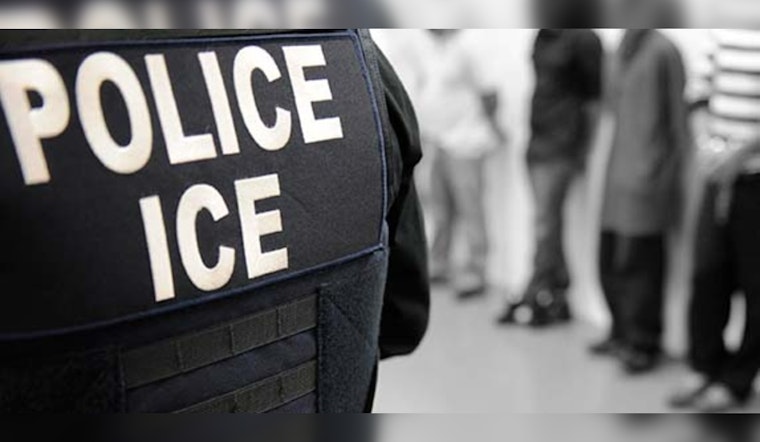
South Florida’s immigration detention network had a brutal year in 2025. Multiple people who had been processed at or transferred from Miami-area detention sites and hospitals died in U.S. Immigration and Customs Enforcement custody, a string of losses that advocates say families are still feeling. Those deaths helped drive last year’s national total to heights not seen in more than two decades, focusing new scrutiny on local facilities where detainees, lawyers and watchdogs describe uneven medical care and shaky emergency response.
State and national tallies
Independent trackers and national reporting counted 32 deaths in ICE custody across the United States in 2025, the highest total since 2004, according to The Guardian. Florida alone accounted for six of those deaths, a cluster that local advocates say exceeded the state’s recent patterns. The Florida cases were reported over the first three quarters of 2025 and appeared across multiple ICE filings and press releases.
Who died in Florida
According to ICE, entries tied to South Florida in fiscal year 2025 include Genry Donaldo Ruiz-Guillen (Jan. 23), Maksym Chernyak (Feb. 20), Marie Ange Blaise (April 25), Johnny Noviello (June 23) and Isidro Perez (June 26). In its official summaries, the agency notes hospital transfers and treatment at Miami-area hospitals for these cases. ICE states that it issues a short news release within two business days of a death and, by law, must publish a more detailed report within 90 days of each case.
Local watchdogs raise alarm
Human Rights Watch gathered accounts from detainees and staff describing delayed medical attention, overcrowding and other abuses at Krome, the Broward Transitional Center and the Federal Detention Center in Miami. Local advocates say those accounts track closely with the deaths reported in 2025. A separate investigative analysis of Broward County 911 logs by The Tributary found that emergency calls from the Broward Transitional Center doubled in the first half of the year and that a large share of those calls were for medical emergencies. Lawyers, former detainees and rights groups argue that the patterns point to systemic gaps in staffing and medical oversight. Human Rights Watch and The Tributary documented those concerns.
ICE response
An ICE spokesperson told 10 Tampa Bay that independent trackers’ totals “aren’t correct” and urged reporters to rely on the agency’s press releases and public reports for the most current numbers. ICE emphasizes on its public pages that it notifies Congress, next of kin and oversight offices about detainee deaths and that medical reviews and internal investigations follow every case. Advocates counter that delayed or incomplete disclosures have made independent verification difficult and have fueled calls for outside oversight.
Legal and oversight questions
ICE’s reporting page points to congressional language in the 2018 Department of Homeland Security appropriations bill that requires agencies to make full in-custody death reports public within 90 days, a benchmark that watchdogs say has not always been met during the recent spike. As deaths increased nationwide, reporting and oversight groups pressed Congress and DHS for independent inquiries, a push detailed in coverage by The Washington Post. Those calls include requests for the DHS Office of Inspector General to examine whether standards and timelines were properly followed.
What happens next
Families of the deceased, immigrant-rights groups and some members of Congress say they plan to keep demanding full disclosure of medical records, timelines of care and independent investigations. Those steps typically run through federal watchdog offices and congressional oversight channels. On the ground in South Florida, attorneys and advocates say the deaths should trigger reviews of staffing levels, medical access and the contracts under which private companies operate some detention centers. WLRN has reported the conflicting accounts surrounding the cases and the continued push for accountability.


