

























































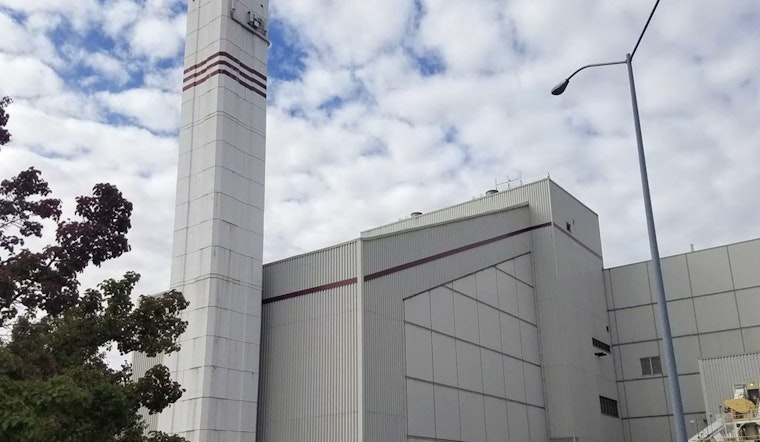
State lawmakers in Olympia have signed off on a phased compliance schedule for Spokane’s lone waste-to-energy plant, a move legislative number-crunchers say will spare local ratepayers about $15 million through 2030. Instead of paying full freight into the state’s carbon auctions right away, the city’s incinerator will receive temporary no-cost carbon allowances starting in 2027, with that benefit tapering off in later compliance periods. Spokane officials say the breathing room lets them plan long-term upgrades without sending local trash on long, expensive trips to distant landfills.
House Bill 2416 spells out the deal. It directs the Department of Ecology to hand the Spokane facility no-cost allowances for the upcoming compliance period and requires the plant to submit a two-part decarbonization and material-recovery plan by Dec. 1, 2030, showing how it will line up with statewide emissions limits. According to the bill language from the Washington Legislature, the new statute creates a schedule that front-loads those free allowances and then ratchets them down in later years, a structure summarized in the Senate bill report as the measure moved through the process.
How The Fiscal Math Pencils Out
State fiscal documents lay out why Spokane’s local leaders pushed so hard for relief. The Department of Ecology’s fiscal note estimates that steering no-cost allowances to the plant will trim auction revenues by roughly $4 million a year during the second compliance period (2027–2030). At the same time, local projections shared with legislators show the City of Spokane avoiding about $3 million a year and Spokane County about $1 million a year in compliance costs over that same stretch. The multi-agency figures lawmakers relied on are compiled in LegiScan.
Why Spokane Pushed For A “Glide Path”
City officials described the Spokane waste-to-energy plant as a unique regional workhorse, built as part of a decades-long waste system and located to help protect a nearby sole-source aquifer. They argued that tossing the facility straight into full participation in carbon auctions would sharply hike local disposal costs. The City of Spokane notes that the plant, which began operation in 1991, processes about 800 tons of municipal solid waste each day and generates enough electricity to power roughly 13,000 homes. Mayor Lisa Brown told lawmakers the bill “gives us a longer time for compliance,” according to local reporting, which is exactly the breathing room city leaders said they needed.
Opposition And Climate Concerns
Environmental and climate advocates lined up against the measure in hearings, warning that the Spokane incinerator would get special treatment under the state’s Climate Commitment Act without having to deliver concrete, near-term emissions cuts. Groups such as Zero Waste Washington argued that the carve-out could weaken Washington’s climate targets. Local reporting also highlighted critics who pointed to recent closures of other waste-to-energy facilities in the region under environmental and economic pressure, and questioned why Spokane’s plant should be treated differently.
What Happens Next
The House signed off on the bill earlier in the session on a 67–30 vote, and legislative tracking shows the Senate took final action in early March, with the House later voting to concur as the session wrapped up. Advocacy materials from Zero Waste Washington recap the vote counts and timing that both supporters and opponents have been citing. If enacted, the statute is slated to take effect 90 days after the Legislature adjourns the session in which the bill is passed, in line with the bill’s own language.





