

























































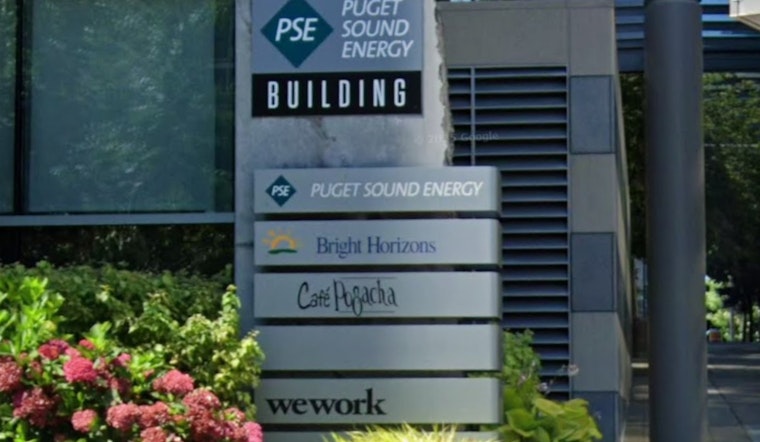
Seattle area households and businesses could be staring down some serious sticker shock in a few years, as Puget Sound Energy is asking state regulators to sign off on a three year rate plan that would push electric and natural gas bills higher from 2027 to 2029. The Feb. 27 filing front loads the biggest jump in the first year, meaning many customers would pay dozens more in some months on top of increases already baked into 2025 and 2026 bills.
In its formal application to the Utilities and Transportation Commission, Puget Sound Energy is seeking to recover more than $1.5 billion and proposes overall increases of about 29.32% for electric service and 19.83% for natural gas over the three year span, according to Puget Sound Energy. The utility says that money would pay for new generation, transmission upgrades and grid hardening so it can keep up with demand and comply with state clean energy requirements.
State regulators have already approved multi year rate changes that pushed bills higher, and the UTC will now dig into PSE's latest request. The commission's public notices show that electric revenue increased in early 2025 and additional changes took effect in 2026, according to the Utilities and Transportation Commission.
What It Would Mean On Your Bill
PSE's filing estimates that a typical residential electric customer using 800 kWh per month would pay about $28 more in early 2027, roughly $7 more in 2028 and nearly $16 more in 2029. A typical residential natural gas customer using 64 therms a month would see about $14 more in 2027 and smaller bumps in the next two years, per Puget Sound Energy.
Why PSE Says It Needs The Money
The utility says the three year plan would support more than $3.2 billion in capital work on its gas and electric systems, with roughly 70% of that aimed at the electric grid to bolster reliability, add clean generation and strengthen infrastructure against storms and wildfire. PSE also points to about $529 million in expected federal tax credits that it says will reduce net costs for customers, and it highlights projected benefits tied to its Beaver Creek wind project.
Data Centers, Lawmakers And The Bigger Picture
PSE's move lands in the middle of a national warning from utilities about surging demand from AI heavy data centers. Reuters has reported on a Department of Energy backed Berkeley Lab study that says United States data center electricity use could climb sharply by 2028, a trend that would put more pressure on power providers already trying to decarbonize.
In Olympia, lawmakers have been sparring over proposals such as House Bill 2515, which would change how large energy users are treated for grid planning and cost recovery, a fight that could shift who ultimately pays for new transmission lines and power plants. The bill text is posted by the Washington State Legislature.
How The Review Works And How To Weigh In
The UTC will review PSE's filing through public docket proceedings where customers, cities and other intervenors can participate and submit comments. PSE has directed interested parties to dockets 260005 for electric and 260006 for gas and says the review can take up to about 11 months. During that time, consumers can weigh in with the commission and look into assistance programs, as well as time of use and demand response options that the utility lists for customers who need help managing higher bills.
Whatever the final decision, the case is a reminder of how quickly energy costs can change as utilities invest to meet demand and hit clean energy targets. Keep an eye on the UTC dockets for hearing dates and new filings in the months ahead, and double check what bill help might be available if another round of increases would stretch your household budget too thin.



