

























































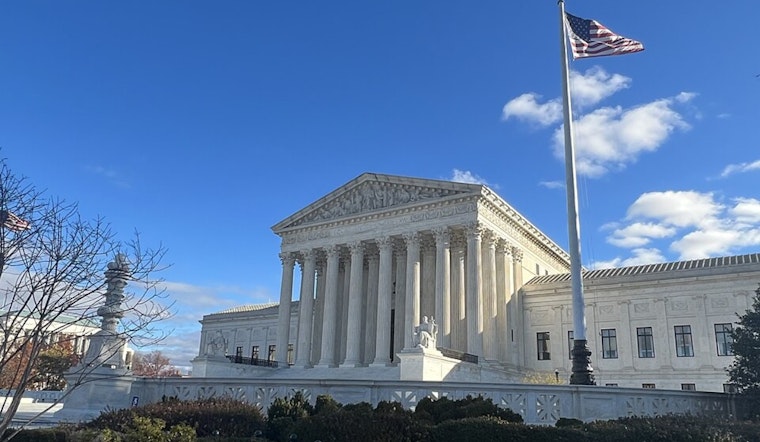
The U.S. Supreme Court on Tuesday, March 31, ruled that key parts of Colorado’s 2019 ban on so-called “conversion therapy” cannot be enforced against certain kinds of talk therapy. In an 8-1 decision, the justices said some counseling conversations are protected by the First Amendment and sent the case back to lower courts to take another crack at the law.
Majority: This is speech, not just medical regulation
Justice Neil Gorsuch, writing for the majority, concluded that Colorado’s statute drew lines that favored some viewpoints over others, creating serious free-speech problems, according to the AP. The court did not sign off on aversive or abusive techniques. Instead, the majority focused on purely verbal counseling of the sort the challenger described and held that this kind of talk counts as speech that the First Amendment protects.
The lone dissent
Justice Ketanji Brown Jackson was the sole dissenter. She warned that treating therapeutic conversations as fully protected speech could weaken states’ power to regulate medical care and safeguard patients, as reported by Axios. Mental-health advocates who support strict professional standards have argued that the ruling may complicate efforts to police practices they view as harmful.
What Colorado’s law actually did
Enacted in 2019, Colorado’s law defined “conversion therapy” as efforts to change a minor’s sexual orientation or gender identity. It also explicitly exempted counseling aimed at offering “acceptance, support, and understanding” or helping a person who is undergoing gender transition, as laid out in the bill text on the state legislature’s website. Providing conversion therapy to patients under 18 was made grounds for professional discipline of licensed providers, according to the Colorado General Assembly.
The case and the counselor behind it
The challenge was filed by Kaley Chiles, a Colorado-licensed counselor who argued that the law could not be constitutionally enforced against her talk-therapy practices. Her name, along with her legal team, appears in the case caption and filings that brought the dispute to the Supreme Court as No. 24-539 after earlier lower-court rulings. The case details are listed in the official Supreme Court docket.
Bigger ripple effects for other states
Legal analysts say the decision could put similar laws in roughly two dozen states under the microscope, since it treats at least some counseling as protected speech. That possibility has been flagged by the AP, among others, as legislatures and licensing boards may feel pressure to revisit statutes that can be read as favoring one viewpoint over another.
Colorado voices: public health vs. free speech
Even before the Supreme Court agreed to hear the case, Colorado officials were casting the fight as a collision between public-health protections and free-speech claims from clinicians. Attorney General Phil Weiser pledged to defend the law as a necessary check on discredited practices, and the 2019 bill’s sponsors warned that weakening bans could endanger vulnerable youth, according to Colorado Newsline. The ruling is likely to sharpen that debate rather than settle it.
What happens next in the courts
By sending the case back, the Supreme Court instructed lower courts to apply the tougher First Amendment scrutiny the justices outlined and to decide whether Colorado’s law can survive under that standard. Observers will be watching whether states rewrite their statutes or whether courts interpret the ruling narrowly and leave more of those laws intact. For more detailed legal background and case history, see SCOTUSblog.
The decision is expected to draw rapid responses from advocacy and professional groups on all sides. Supporters of conversion-therapy bans say the ruling could expose minors to practices major medical organizations have rejected, while free-speech and religious-liberty advocates argue that it shields counselors and families who want alternative approaches. Officials and licensing boards in Colorado and beyond are now left to figure out the next move.





.jpg)