

























































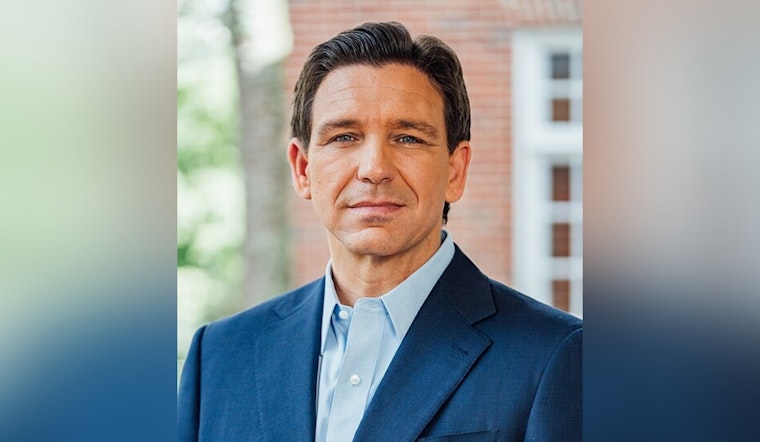
Tallahassee is on the verge of reshaping who polices Florida’s doctors, and the shortlist is already stirring the pot. A slate of new appointees to the Florida Board of Medicine has drawn fire for views on vaccines, abortion, and gender-related care, with Ocala family physician Dr. John Littell emerging as the lightning rod. Littell has publicly questioned COVID‑19 vaccine policies and criticized some reproductive‑care products.
Gov. Ron DeSantis rolled out the picks on Nov. 14, 2025, naming Littell alongside Drs. Gobivenkata Balaji and Lee Gross and Deborah Sargeant. The choices still need Senate sign-off, according to the Governor’s Office. If confirmed, the newcomers would join the 15‑member panel that writes practice guidelines and oversees licensing and discipline for physicians across Florida.
The Florida Senate’s executive appointments list now includes Littell and the other nominees, and lawmakers have been moving the names through committee this month, according to the Florida Senate. Senators from both parties have used the confirmation hearings to spotlight just how much sway the board’s rulemaking power has over medical care statewide.
Littell’s track record features vocal opposition to vaccine mandates and public skepticism about some contraceptives. He has questioned school COVID‑vaccine requirements and similar mandates, drawing praise from some Republican senators and clear unease from others, according to the Tampa Bay Times. Those comments, along with his social‑media posts about vaccine safety, became a main line of questioning during the confirmation grillings.
Critics also keep pointing back to a 2023 episode in which the American Board of Family Medicine moved to rescind Littell’s specialty certification for his public statements about COVID‑19 and related treatments. The certification was later reinstated while an appeal went forward, according to The Floridian. That fight has resurfaced in the current debate as a textbook example of tension between professional boards and outspoken doctors.
What The Board Can Do
The Florida Board of Medicine has statutory power to license physicians, set standards of practice, and pursue disciplinary actions that can include suspending or revoking licenses, according to the Florida Senate. The board’s policymaking muscle was on national display in 2023 when it adopted restrictions on many forms of gender‑affirming care for minors at the request of the Department of Health, a controversial move that sparked lawsuits and drew national coverage, as reported by the AP. Because the board both writes rules and disciplines physicians, even a modest shift in its lineup can have quick, concrete effects on care and enforcement.
How This Intersects With Legislation
At the same time, lawmakers in the Capitol are pushing bills that would broaden vaccine exemptions and require medical boards to sign off on information given to parents about vaccines. One proposal goes further and would create penalties for physicians who refuse to treat unvaccinated patients. The Senate advanced a version of that package this week, while House leaders signaled the bill is probably going nowhere in their chamber, according to reporting by WUSF / News Service of Florida.
Other new or recent DeSantis appointees to the Board of Medicine include Dr. Lee Gross, who runs a direct‑primary‑care practice, as well as Gobivenkata Balaji and Deborah Sargeant. Summaries from medical groups detail their backgrounds and committee work, according to the Florida Medical Association. Observers say the combined effect of these appointments, together with the live vaccine legislation, could steer the board toward carrying out the state’s preferred policies on vaccines, reproductive care, and care for young people with gender dysphoria.
What to watch next: senators could vote on both the confirmations and SB 1756 in the coming days. Whether the House decides to pick up the vaccine‑exemption language will determine if the boards are tasked with approving parental materials or handling new enforcement duties, according to WUSF. The final call in Tallahassee will shape how aggressively the Board of Medicine can remake Florida’s medical practice standards over the next term.




