

























































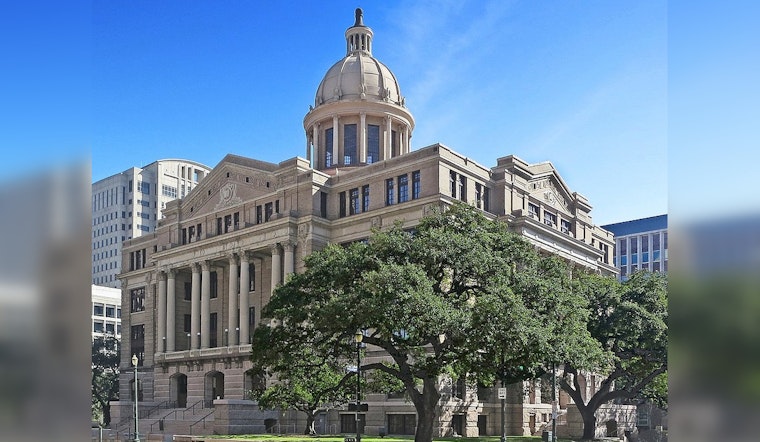
Harris County’s criminal courts are still buried under a mountain of old cases, and on Tuesday, District Attorney Sean Teare stepped in front of the cameras to say he is determined to start digging the system out.
In a live briefing, Teare framed the county’s years-long criminal case backlog as a top priority for his office and for local justice partners, stressing that the goal is to move thousands of stalled cases toward resolution without cutting corners.
What Teare Announced
Teare laid out a series of operational shifts that he said are already nudging cases toward trial or other outcomes. Those changes include assigning line prosecutors to staff intake, creating targeted dockets to group similar cases, and putting a sharper focus on getting evidence processed so files are truly trial-ready instead of gathering dust.
As reported by KHOU, Teare acknowledged that thousands of criminal cases remain delayed in the system even as these adjustments roll out.
How The Backlog Built Up
County officials trace the pileup to a string of gut punches to normal court operations, from Hurricane Harvey flooding courthouses to COVID-era shutdowns that slowed trials to a crawl. Add in long-standing bottlenecks in evidence processing and staffing, and dockets backed up in a hurry.
Those structural problems and the county’s proposed fixes are detailed on the American Rescue Plan Act (ARPA) court-backlog page, which recommends new investments in intake, case preparation and case management to chip away at the delays. Harris County planners say the multi-part strategy is designed to move cases faster without sacrificing thoroughness.
Money, Staff And Programs
Local reporting shows county leaders have already signed off on millions of dollars for extra prosecutors, temporary judges and additional courtroom resources in a bid to keep dockets moving. At the same time, the DA’s office has pointed to higher clearance rates and expanded diversion and mental-health tracks as early bright spots.
As reported by the Houston Chronicle, Teare’s team also cites a falling jail population and new programs aimed at diverting low-level cases out of the traditional court pipeline as part of its strategy.
What It Means For People Waiting
For defendants, victims and families, the view on the ground is less about strategy and more about the clock. Defense attorneys and advocates caution that even smart operational tweaks take time to show up in everyday court life, and that evidence logjams and scheduling conflicts still leave many people waiting months or even years for closure.
Reporting from Click2Houston shows courts are experimenting with special dockets and bringing in temporary judges to chew through older cases. Still, observers say that only sustained coordination among judges, police, prosecutors and county administrators will truly unwind the backlog.
Where To Watch
KHOU streamed the briefing live and notes that the full video is available on the KHOU 11 mobile app for anyone who missed it in real time.
For now, the real scoreboard will not be on TV. County dashboards and court calendars will offer the clearest read on whether Teare’s operational shake-ups are actually shrinking wait times for the thousands of criminal cases still stuck in line.



