

























































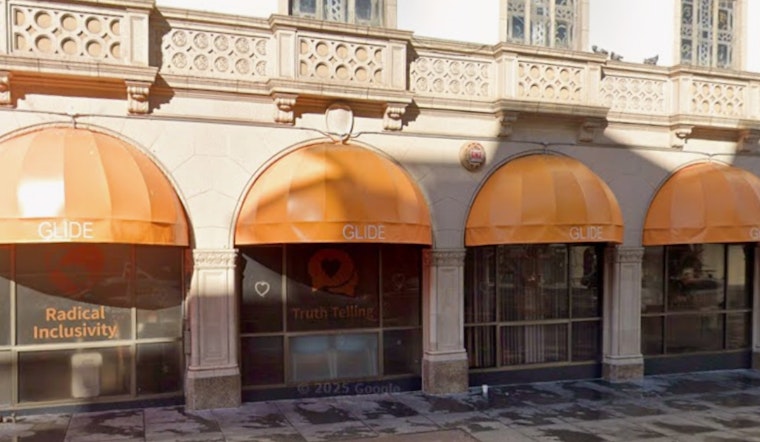
In the heart of the Tenderloin, Glide Memorial Church has turned a classic neighborhood institution into a frontline overdose response. This month, the organization opened The Shop, a free barbershop that blends haircuts with on-site counseling, housing navigation and addiction services aimed at older Black men, a group driving a disproportionate share of San Francisco’s overdose deaths. The idea is simple but ambitious: use the easy conversation of a haircut to connect people with treatment and support. The pilot kicked off with a ribbon-cutting on March 5 and is set to run most weekdays and Saturdays.
What The Shop Offers
Housed inside Glide’s building, The Shop offers more than a lineup and a shave. Clients can get free haircuts, meals, a seat at the dominoes table and a place to hang out while behavioral-health staff and case managers stand by to provide warm handoffs to care. According to GLIDE, barbers are trained and certified in active listening, overdose prevention and mental-health first aid. Grooming services run Tuesday through Saturday, while clinical programming is available on weekdays. The program operates at 330 Ellis Street in the Tenderloin and is designed as a low-barrier entry point into Glide’s broader continuum of care.
How It Works In The Chair
When someone walks in, they are first greeted by a peer support specialist who conducts a brief intake. From there, the barber takes over, scissors in hand, while creating space for a real conversation that does not feel like an intake interview. The setup is intentional: staff can offer help without pressure, while clients settle into a routine experience that feels familiar and low stakes.
"It may look like you’re just getting a haircut," Jason Finau told The San Francisco Standard, "but everyone here is trained to pick up on both the verbal and nonverbal." While the cut is underway, barbers and counselors can arrange same-day referrals to medication for opioid use disorder, counseling, housing navigation and other Glide services, often before the customer even leaves the building.
Why The Focus Is On Older Black Men
San Francisco’s own public health data show that the city’s overdose crisis is not hitting everyone equally. The burden falls heaviest on men aged 50 to 59 and on Black/African American residents, with overdose rates several times higher than the citywide average. According to the San Francisco Department of Public Health, those disparities are stark, and acute-toxicity deaths are concentrated in neighborhoods such as the Tenderloin and SoMa.
Glide’s launch materials point to city data indicating that Black men over 50 accounted for roughly 12% of overdose deaths from 2020 through 2024, a share far larger than that group’s slice of the city’s population, according to GLIDE. The Shop is explicitly designed around that reality.
Evidence Behind The Model
The idea of doing health outreach in a barbershop may sound unconventional, but it comes with serious research behind it. Multiple randomized and community-based trials have found that bringing health services into trusted barber and salon settings can boost screenings, referrals and follow-through on treatment.
One cluster-randomized trial that paired barbers with pharmacists in Black barbershops led to large, sustained reductions in blood pressure among Black men, according to a study in the New England Journal of Medicine. Systematic reviews have documented similar successes across other screening and prevention programs, as summarized in PubMed Central. Taken together, the evidence suggests that a conversation in the chair can plausibly translate into measurable health gains.
Funding, Goals And The Road Ahead
The Shop’s pilot budget comes in at about $500,000 a year, funded in part with city opioid settlement dollars, according to city health officials and Glide. The money is meant to test whether a familiar neighborhood space can move the needle on a deadly crisis.
According to reporting by SFGATE, Glide aims to serve at least 100 Black men over 50 by the end of June and to connect at least half of those clients with some form of treatment. Staffers plan to track referrals closely and follow up on barriers that often derail care, such as transportation problems or deep-seated mistrust of institutions, as the pilot unfolds.
A Local Experiment With Big Stakes
Organizers say they will judge success by how many people are linked to care and stay there, not by how many fades or shaves they complete. Early accounts from staff describe long lines forming at the doorway, a sign that the concept is catching on.
If this low-barrier, culturally familiar approach manages to reduce even a small slice of fatal overdoses among a heavily affected group, advocates say it could become a model for other cities wrestling with fentanyl and stimulant-linked deaths. For now, The Shop stands as a new kind of frontline effort built on an old community anchor: the neighborhood barbershop, where a routine trim might double as a lifeline.





