

























































Standing in West Palm Beach with photos of her children in hand, Sarah Marquez pleaded with Florida lawmakers this week to make bodily injury insurance mandatory for every driver in the state. Her push comes in the wake of a Jan. 2 crash near Hobe Sound that tore her family apart, killing 17-year-old Matthew Mosby and 16-year-old Millie Marquez, and leaving 13-year-old Olivia Marquez with catastrophic injuries. Olivia’s medical bills have already climbed past $1 million, while the policy on the teen driver involved reportedly carried just $10,000 in bodily injury coverage.
Crash scene and aftermath
The three teens were riding in a Toyota Camry that authorities say failed to stop at a stop sign while exiting I-95. The car was then struck by an SUV on the southbound exit ramp to Southeast Bridge Road. As reported by Treasure Coast Newspapers, troopers detailed the crash location and said first responders rushed a critically injured 13-year-old to St. Mary’s Medical Center in West Palm Beach.
A mother’s plea
Before lawmakers and reporters, Marquez argued that her family’s losses and ballooning medical bills show why Florida needs a minimum requirement for bodily injury liability coverage. In comments to CBS12, she said, "Our whole world has been turned upside down," while her attorneys urged legislators to consider setting a $100,000 minimum for BI coverage.
Why Florida law matters
For years, Florida’s auto insurance system has centered on Personal Injury Protection, a no-fault benefit designed to pay immediate medical expenses, rather than a universal bodily injury liability requirement for every driver. According to the Florida Department of Highway Safety and Motor Vehicles, PIP is the baseline coverage and investigators can require proof of liability after injury crashes, a structure that still leaves many victims financially vulnerable when liability limits are low.
What lawmakers are debating
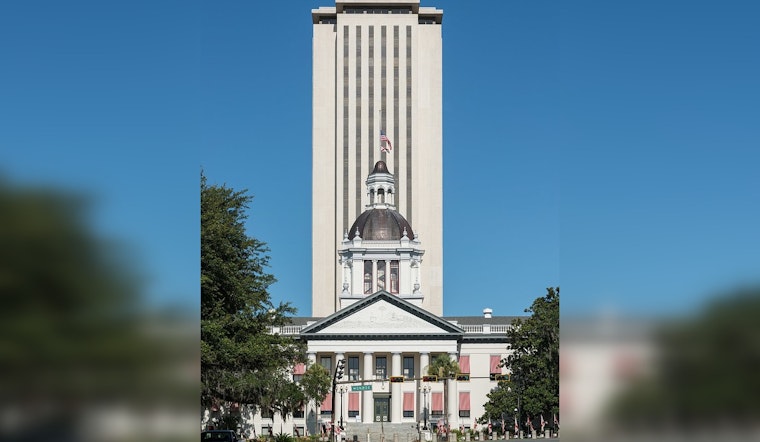
Several draft bills now on the table in Tallahassee would strip out large portions of the state’s Motor Vehicle No-Fault Law and replace PIP with mandatory bodily injury coverage. Some proposals set a new minimum at $25,000 per person and $50,000 per accident. A Senate filing and a House analysis spell out how the measures would change vehicle registration rules, proof-of-coverage requirements, and the timeline for implementation. The details are laid out by the Florida Senate and in a related analysis from the Florida Senate.
Why families want bigger limits
The Marquez family’s attorney told CBS12 that a $25,000 minimum would barely make a dent in a case like Olivia’s and urged lawmakers to set the bar at no less than $100,000 per person. At the same time, observers note that shifting to mandatory BI coverage would reshape Florida’s auto insurance market and could drive premiums higher, a trade-off outlined in industry reporting by Insurance Business.
What to watch next
The draft measures still have to survive committee hearings, amendments, and floor votes, and advocates say families like the Marquezs plan to keep showing up in Tallahassee until lawmakers act. Tracking services list multiple related bills and proposed amendments in both chambers; BillTrack50 compiles the current filings and status updates.
Legal implications
If lawmakers ultimately repeal PIP and make BI coverage mandatory, most injured Floridians would pursue compensation through fault-based claims instead of relying on immediate PIP payouts. That shift is likely to increase the number of lawsuits and put liability limits at the center of settlement negotiations. Industry analysts say the change could improve recoveries for people with serious injuries, but might also stretch out the time it takes to get paid while fault and coverage are argued in court, according to Insurance Business.





