

























































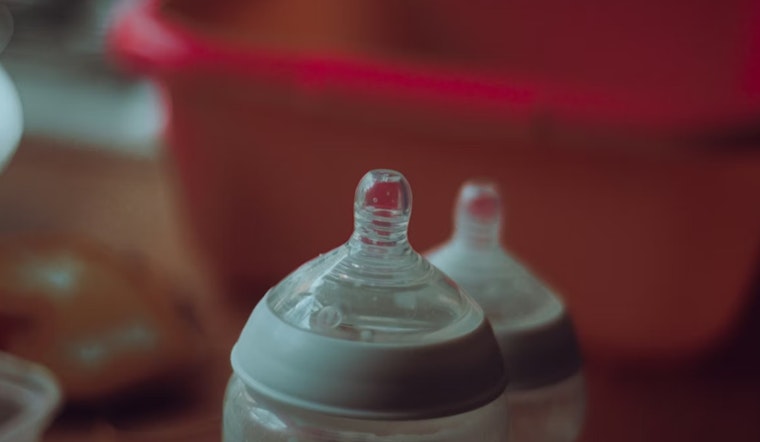
Babies’ bottles are back under the microscope, after Consumer Reports’ latest round of testing found that dozens of baby formulas sold across the United States contain measurable levels of heavy metals and PFAS. The nonprofit says almost half of the products it tested fell into a low-risk category, yet a sizable chunk, including some hypoallergenic and specialty formulas, showed inorganic arsenic or elevated lead. The report is once again pressing regulators, manufacturers and lawmakers to answer a hard question: why contamination is still an issue in one of the country’s most tightly regulated foods.
What Consumer Reports Found
According to Consumer Reports, testers looked at 49 powdered, liquid and specialty formulas and found that 26 contained inorganic arsenic at or above the group’s level of concern. Three powdered formulas exceeded CR’s lead threshold and at least a quarter of the products had measurable PFAS. At the same time, CR emphasized that many formulas, including several brands available through WIC, qualified as “top choices” because they had very low or non-detectable levels of these contaminants.
Which Formulas Were Flagged
In its lab results, CR singled out several products. Abbott’s EleCare Hypoallergenic showed the highest inorganic arsenic at 19.7 ppb, Similac Alimentum came in at 15.1 ppb, and Enfamil Nutramigen had the highest lead reading at 4.2 ppb, according to Consumer Reports. “It is possible for manufacturers to produce baby formula without worrisome contaminants,” Sana Mujahid, CR’s manager of food safety research and testing, said in the group’s release. CR noted that it relied on conservative benchmarks, using EPA reference doses and California standards, to assess risk for infants who depend on formula as a primary food source.
Industry Pushback
Major formula makers pushed back on the findings, telling reporters that any trace contamination reflects conditions in the broader environment and that heavy metals are not intentionally added to formula. Abbott and Mead Johnson told CBS News that their products meet safety standards and that they use testing protocols designed to limit contaminants.
Federal Response And Oversight
The Consumer Reports release lands in the middle of the FDA’s multi-part review of formula safety, known as Operation Stork Speed, which the agency launched in 2025 to ramp up testing and transparency. The FDA recently updated its infant formula web resources and said it is posting a public list of formulas and increasing contaminant testing, according to the FDA.
What's Happening In Congress
Lawmakers are moving in parallel. The Protect Infant Formula from Contamination Act (S.272) would require manufacturers to test for microorganisms and toxic elements and to alert the FDA when they get positive results. The bill has been reported out of the Senate HELP Committee, and its text and status are posted on Congress.gov.
How Parents Should Respond
Pediatricians and public health organizations are telling caregivers not to panic-switch formulas without talking to a medical provider, and to use clean, tested water when preparing powdered products. Coverage of the report from CBS News relays the same advice and directs families to Consumer Reports’ full test results for a brand-by-brand breakdown, for those who want to hunt for lower-risk options.





