

























































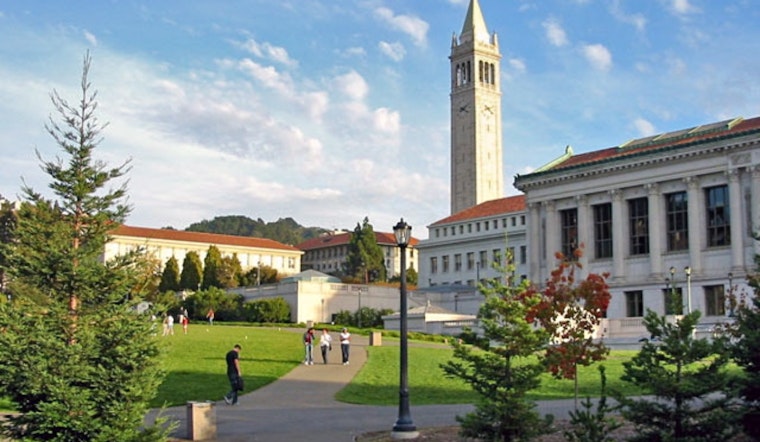
At a University of California Board of Regents meeting in San Francisco this week, UC Chief Investment Officer Jagdeep Singh Bachher warned that the system faces probably the biggest question of our lifetime as artificial intelligence accelerates. He told regents that AI could upend students’ job prospects and force the university to rethink long-held investment bets on a much shorter timetable than anyone expected.
Bachher told the board that "AI is actually a risk" and urged UC leaders to figure out what the future of every one of our 300,000 students at the University of California looks like, adding that "you don’t have six years to figure it out," as reported by the San Francisco Chronicle. He said the same forces that can turbocharge winners may also make other companies obsolete, noting that some public software stocks are down about 20% this year and pointing to the fast-changing revenue projections for chipmakers as part of the risk calculus.
Risk to investments and staff
Bachher told regents that UC’s investment operation must dissect our portfolio asset by asset because legacy holdings could lose value quickly. To make the point, he cited Nvidia’s massive chip opportunity and recent market swings as examples of how quickly fortunes can change in AI-related markets. He noted that when he joined UC 12 years ago, he inherited a 50-person team managing roughly $80 billion. Today, the group numbers 49 people overseeing about $214 billion, and he predicted that staff could shrink to 35 over the next decade. The warning underscored how AI may reshape both what the university owns and the number of people it needs to run those investments, according to the San Francisco Chronicle.
Training students and teaching financial literacy
Bachher has tried to respond on two fronts: investment strategy and workforce development. The UC Investments Academy, an initiative he helped launch, offers free financial literacy and career training to students and has grown from a small pilot to thousands of participants across the system, according to UC Merced. Bachher argued that practical skills and financial know-how will help graduates navigate an uncertain labor market where some roles may be partly automated.
What experts say about the coming shift
Researchers and policy groups say Bachher’s alarm lines up with broader analyses showing that AI is changing the nature of work and can both displace tasks and create new roles, while the transition is likely to be uneven and rapid. The McKinsey Global Institute finds that AI is altering the makeup of many jobs and will require large-scale reskilling, and the OECD warns that generative AI is expanding the set of occupations exposed to automation, and that education and policy will shape outcomes.
Bachher’s message to the regents was both a warning and a challenge, that UC must plan now for how degrees translate into careers in an AI-shaped economy. Regents, campus leaders and academics will face pressure to redesign pathways, expand retraining, and align hiring with a rapid technological transition that investors and policy groups are already watching closely.




