

























































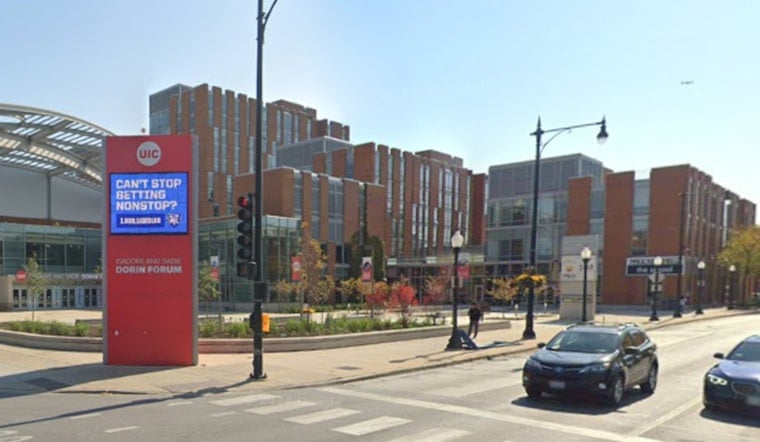
On Friday at the University of Illinois Chicago, graduating medical students ripped open their Match Day envelopes and finally learned where they will spend the next chapter of their careers. The ritual is a life-defining moment for the students, and a pointed reminder to hospitals and lawmakers that getting into residency is only the first step in a much longer effort to keep physicians working where they are needed.
Nationally, the competition for residency slots is still intense. The National Resident Matching Program says its Main Residency Match routinely draws more than 50,000 registrants, all vying for a limited number of positions. According to NRMP, Match Week highlights both the promise and the bottleneck built into the physician pipeline.
At UIC, students learned where they will begin three- to seven-year residency programs and celebrated matches in specialties ranging from family medicine to surgical fields. Local coverage highlighted individual wins, including a student headed to Ohio State and Jakara Hubbard matching into family medicine at UCSF. Per FOX 32 Chicago, the joy of Match Day sits right alongside worries about whether Illinois can hang on to those newly minted doctors once training is done.
Illinois Faces a Looming Shortfall
State health leaders say the pipeline problem is much bigger than one feel-good ceremony. Illinois is projected to face a shortfall of more than 6,200 physicians in the coming years, a gap that could make access to care even tougher outside major metro areas. Reporting on the workforce outlook and the policy response shows why officials are scrambling for fixes. According to the Chicago Sun-Times, advocates and policymakers are zeroing in on both residency capacity and long-term retention as key drivers of that gap.
Residency Capacity and Retention Strain the Pipeline
Advocates point out that Illinois has relatively few primary care residency slots for a state of its size, which limits how many new doctors can be trained and then rooted locally. A one-page state summary cites roughly 237 primary care residency slots each year in Illinois and notes that nearly half of residents trained in the state later practice elsewhere, weakening local retention. That context is laid out by the Cicero Institute, which compiles workforce figures and state projections.
New Licensing Pathway for Internationally Trained Doctors
The state has moved quickly on at least one front. The Illinois Department of Financial and Professional Regulation announced it has issued the first license under a new International Medical Graduate pathway that lets qualified, foreign-trained physicians practice under supervision for an initial period. The department says the two-year supervised pathway, followed by a restricted license and eventual full licensure if requirements are met, is meant to expand clinical capacity in a measured way. Details are outlined in a press release from IDFPR.
“An important step towards addressing the physician shortage,” is how the Illinois State Medical Society described the first license issuance, according to the department release. The new pathway aims to move trained doctors into supervised patient care more quickly while keeping oversight in place. IDFPR reported that the first license under the program was issued in early March 2026.
What It Means for Patients and Hospitals
Experts say the licensure change could help fill critical roles, especially in underserved communities, but it will not replace the need for more residency positions and stronger retention incentives. The Robert Graham Center’s state projection work shows Illinois will need additional primary care physicians just to maintain current access levels, which makes growing graduate medical education here a clear priority. For UIC, a major local source of new doctors, Match Day is both a celebration of talent and a quiet check-in on whether policy will keep pace with the people it trains.
See the Robert Graham Center projection and UIC Today for background. According to the Robert Graham Center, expanding residency slots and building up local retention programs are central to any long-term fix.





