

























































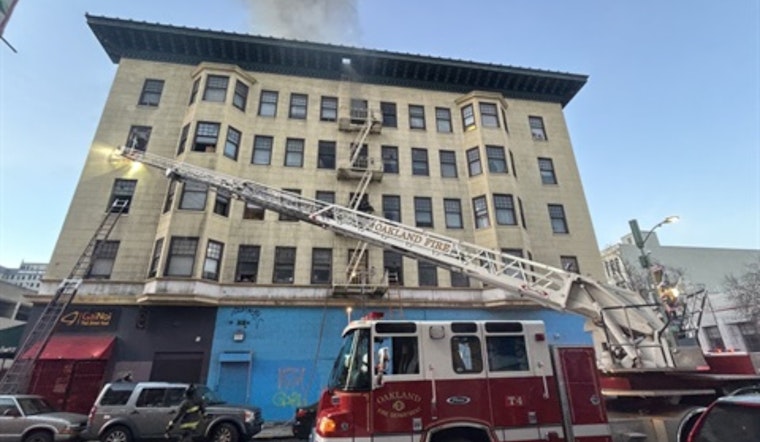
Nearly two months after a Jan. 19 three-alarm fire ripped through a downtown Oakland apartment building, roughly 200 residents are still living out of bags and bouncing between temporary beds. The tenants and a tenants' rights group insist the landlord owes them city-mandated relocation payments due to preexisting code violations, while the owner maintains no such payments are due. In the meantime, families are scattered across short-term hotels, shelters, and friends' places, with only limited opportunities to retrieve their belongings.
City steps in, but only so far
The City has declared the five-story building at 1770 Broadway unsafe and uninhabitable and has set up a Local Assistance Center and a temporary shelter to support displaced residents. According to the City of Oakland, staff are arranging short-term hotel and Airbnb stays, connecting people with housing navigation through Bay Area Community Services, and conducting outreach through the Code Compliance Relocation Program. City officials are also warning tenants not to sign any legal paperwork tied to the fire before talking with an attorney.
Tenants turn up the heat over relocation pay
About 200 residents and a tenant-rights organization argue that existing code violations at the building trigger relocation payments, and they have been pushing hard in recent weeks for enforcement. KTVU reported yesterday that tenants say the owner is refusing to pay and is disputing those claims. Several residents say that only hours after the fire, they received emails stating their leases were terminated, which has fueled fears that the displacement might become permanent. Tenant advocates counter that such notices do not wipe out renters' rights when units are legally uninhabitable.
What burned and who is behind the building
The Jan. 19 blaze at 19th Street and Broadway was a three-alarm fire that brought in about 50 firefighters and left the 43-unit building red-tagged while investigators work to determine the cause, according to the San Francisco Chronicle. The property is owned by Ted Dang of Commonwealth Real Estate, who did not respond to requests for comment, NBC Bay Area reported. On the ground floor, the Dope Era clothing shop owned by rapper Mistah F.A.B. suffered significant water damage, and community groups have launched fundraisers to help the staff and keep the small business afloat, per SFGATE.
When relocation payments kick in
Under Oakland's Uniform Relocation Ordinance, landlords can be required to cover relocation payments and provide temporary housing in certain situations where tenants are displaced due to code-related problems. The city's Housing and Community Development Department is conducting outreach and explaining how tenants can qualify. Affected residents are being directed to the Code Compliance Relocation Program for detailed eligibility information and how to enroll, according to the City of Oakland. As KTVU reported, Centro Legal de la Raza managing attorney David Hall said that if investigators ultimately find the fire was caused by the landlord's negligence, the owner could be liable for substantial relocation payments while repairs are made and the apartments are brought back to a habitable condition.
Legal help and limited options for tenants
Displaced residents say they are being given only brief, scheduled windows to retrieve crucial items from the building and are increasingly anxious about where they will live long term. Copies of lease-termination emails declaring, "All leases are hereby terminated," were published by SFist, and community lawyers have stepped in to offer intake and representation. Tenants seeking legal support are being referred to Centro Legal de la Raza and the East Bay Community Law Center, and Centro Legal is operating a tenants' rights intake line for those who need advice or representation.
There is still no clear timeline for when residents might be allowed to return to their homes, if at all. Tenants and advocates say they plan to keep pressing city officials and the property owner for answers and, if it comes to it, for enforcement of relocation rules that were supposed to keep disasters like this from turning into permanent displacement.




