

























































Recycling workers in Phoenix say the blue bins are getting a little too real these days, with used needles, razor blades and other sharp objects showing up in curbside recycling more often. The contamination is forcing crews on the sorting line to slow down and take extra precautions as they pull materials by hand. City officials say that despite the growing problem, there have been no reported worker injuries tied to the misplaced medical waste so far.
Workers report daily encounters with sharps
According to 12News, Phoenix Public Works reports that needles, razor blades and other sharps are now being found every day inside the city’s two sorting facilities. Each plant relies on crews of about eight to 12 people who manually pluck contaminants out of a fast-moving mix of cans, cardboard and other recyclables.
Chris Fine, an official with the department, told 12News that the appearance of sharps on the line “opens up the possibility of danger and potential sickness to the workers,” even as staff work to spot and safely remove them.
City posts step-by-step disposal guidance
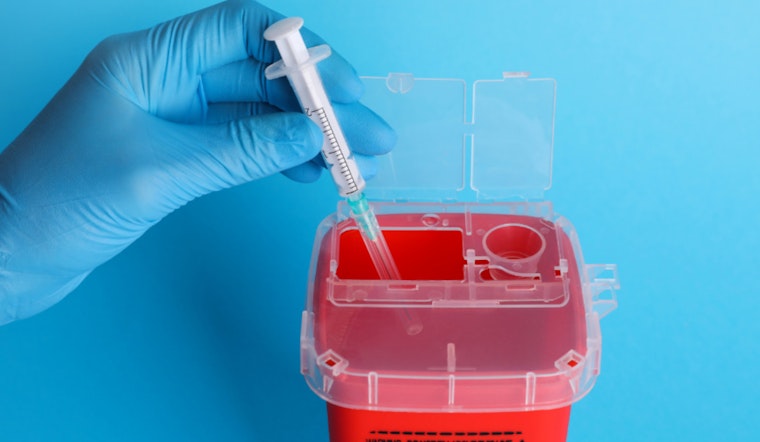
The City of Phoenix Office of Public Health and Public Works has posted an online sharps disposal guide that spells out what residents should do with used needles. The guide says people should place used needles in a non-puncture container, such as a laundry detergent jug or jar, seal the container when it is nearly full, and then put that sealed container in the regular trash, not the recycling bin, according to the City of Phoenix.
The city also lays out key safety tips: do not use glass containers, keep sharps containers away from children and pets, and never flush needles. Officials note that when sharps slip into the recycling stream, they can disrupt machinery at Materials Recovery Facilities and add risks for people working there.
State guidance backs up the city’s advice
The Arizona Department of Environmental Quality warns that improperly discarded sharps can spread infection and cause injuries for sanitation and recycling workers. The agency recommends using an FDA-cleared sharps container or, if that is not available, a heavy-duty plastic container with a screw-on lid that is clearly labeled "Do Not Recycle." ADEQ’s guidance also points to mail-back programs and registered transporters as options for individuals and businesses that routinely generate sharps waste.
How residents can reduce the risk
For people who use needles at home, officials say the safest move is to get an FDA-cleared sharps container from a pharmacy or use a sturdy plastic jug, label it “Do Not Recycle,” and follow the city’s disposal steps. Phoenix’s household hazardous waste program offers scheduled home pickup and drop-off services for residents who have solid-waste accounts. If you come across a loose needle in public, the city advises that you do not pick it up and instead report it so trained crews can remove it safely.
For now, city and state information pages remain the clearest guides on disposal options and safe handling. Residents who rely on injectable medications, from insulin to other treatments, are urged to treat sharps as hazardous waste, secure them in a puncture-resistant container and follow the city’s instructions to help prevent injuries to workers and neighbors.




