

























































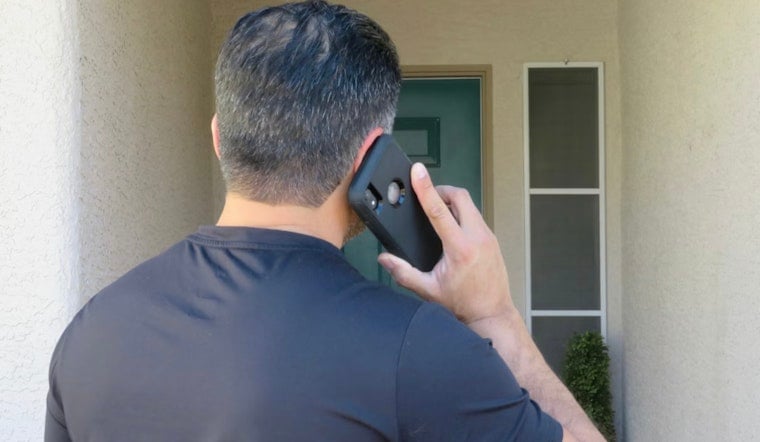
Scammers are lighting up phones around New Orleans, pretending to be NOPD officers and warning residents that there is an active warrant with their name on it. The callers leave urgent voicemails and then pressure people to pay up fast to avoid arrest, leaning hard on fear and intimidation. Police say the messages are flat-out fake, and multiple residents have already reported nearly identical calls to the department. The standing advice from officials: stay calm, verify, and do not hand over money or personal information on the spot.
According to WGNO, NOPD spokesman Reese Harper said the department learned of scammers falsely claiming that a warrant would be issued unless immediate payment was made. Harper urged anyone who gets one of these calls to refuse payment, avoid sharing personal or financial information, and report the incident to NOPD at 504-821-2222. The station reported that the department’s Public Integrity Bureau has investigated similar schemes before.
How the calls work
The pitch usually starts with a voicemail accusing the target of missing jury duty or having some other outstanding warrant, followed by a demand for payment to “clear” the record. To make it look legitimate, callers sometimes spoof local phone numbers, then steer victims toward untraceable payment methods such as gift cards, cryptocurrency or peer-to-peer apps. WWL notes that police will never call and demand money to resolve a warrant.
How to protect yourself
Consumer-protection officials say skepticism is your best defense. If a caller is high-pressure or threatening, hang up, then verify the story on your own using official numbers. The Federal Trade Commission’s guide on government-impersonation scams highlights key red flags, such as demands for gift cards or immediate payment, and explains how to report these cons. The City of New Orleans lists NOPD’s non-emergency line as 504-821-2222 for verification and reporting, and recommends saving any voicemail or caller ID information so investigators have something to work with. Each report helps police see patterns and possibly track the scammers behind the scenes.
If you have already lost money, contact your bank or payment app right away to report unauthorized transfers and ask what recovery options exist, then file a complaint with federal authorities. You should also make a report to local police so the NOPD Public Integrity Bureau can follow up; saving the voicemail and the incoming number can be important evidence. If a caller threatens you or claims they are on the way to your home, call 911. In other situations, use the non-emergency line so detectives can document what happened.
Scams like this run on panic. Taking a moment to verify the story, cross-check phone numbers, and talk it over with family or neighbors can keep thousands of dollars in your pocket and cut off the fear factor that these fake officers are counting on.





