

























































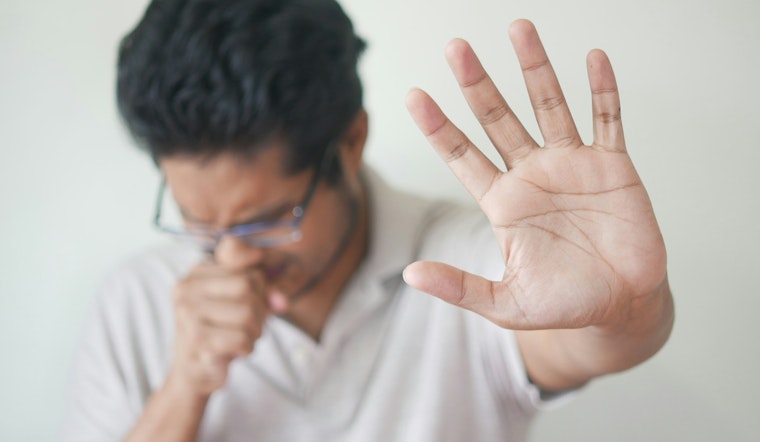
Tuberculosis, the old "white plague" many New Yorkers figured was a problem from another century, is edging back into the picture in the United States, according to health officials and front line clinicians. Case counts are rising again and small pockets of antibiotic resistance are starting to worry disease trackers. New York, which has long shouldered a disproportionate share of the nation’s TB burden, is seeing numbers climb in recent provisional surveillance, and local clinics and public health teams are already ramping up testing and contact investigations.
Provisional federal surveillance data show the United States reported 10,347 TB cases in 2024, up from 9,622 the year before, and New York State’s reported cases rose to 1,083, reversing decades of steady decline, according to CDC. The agency points to recovery from pandemic-era disruptions, increased travel and migration, and several localized outbreaks as likely drivers of the uptick. Public health teams have responded by expanding contact tracing in settings where cases have clustered.
The global picture is not exactly reassuring either. The World Health Organization says TB likely reclaimed its position as the world’s deadliest infectious disease in 2023 and that roughly 1.25 million people died that year, underscoring why U.S. trends matter beyond our borders, according to WHO. The agency has flagged detection gaps, shrinking program budgets and social risk factors such as undernutrition and crowded housing as reasons the disease remains stubbornly difficult to control.
Antibiotic resistance is adding to the concern. CDC surveillance shows that in 2023 there were 589 U.S. cases with resistance to at least isoniazid at initial diagnosis, including 100 multidrug-resistant (MDR) cases, figures that complicate care and stretch out treatment for those patients, according to CDC. Resistant infections remain uncommon overall in the United States, but health officials warn that even small clusters of drug-resistant TB can be costly and difficult to stamp out in congregate settings such as shelters or correctional facilities.
Why Resistance And Long Courses Matter
Tuberculosis spreads most easily in poorly ventilated indoor spaces, and clinical references estimate that an untreated infectious pulmonary TB patient can infect roughly 10 to 15 other people per year. Contagiousness drops quickly once effective therapy starts, according to Merck Manual. Standard treatment for drug-susceptible TB still typically lasts for months, and those long regimens raise the risk of side effects and of patients not finishing therapy. Clinical trial and program analyses show that shorter, rifamycin-based regimens have higher completion rates, an important tool for preventing relapse and limiting spread, according to PREVENT TB trial analysis.
What This Means For New Yorkers
Public health officials say much of the U.S. TB burden is still concentrated among non U.S. born communities and in neighborhoods where housing and health services are already under strain. Latent infection is far more common than active disease, however. An American Lung Association summary cites CDC estimates that up to 13 million people in the United States live with latent TB infection, any of whom could develop active disease without treatment, according to American Lung Association. The recent uptick drew fresh attention after a March 25 feature framed the trend as the return of the "white plague" to America, according to New York Post.
Symptoms, Testing And Next Steps
Classic TB symptoms include a cough that lasts more than three weeks, unexplained weight loss, night sweats and fever. Diagnosis relies on chest imaging and laboratory testing rather than at-home checks, and rapid testing with prompt treatment remains a core control strategy, according to WHO. Health departments and primary care providers can arrange testing and, when indicated, shorter preventive regimens that are easier for patients to complete.
For now, clinicians and community groups are pushing for vigilance. If you have prolonged respiratory symptoms or other TB risk factors, officials urge you to contact your provider or local health department to discuss testing and preventive options. They say they will be watching surveillance and resistance patterns closely this year as they work to keep a centuries-old disease from regaining the foothold it briefly seemed to lose.





