

























































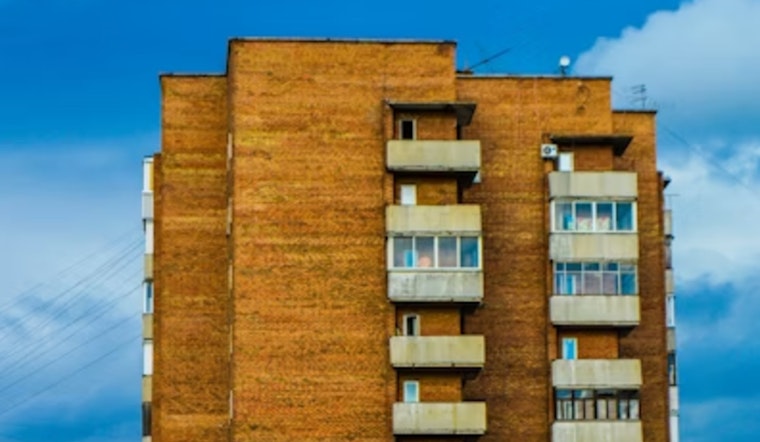
Longtime residents of the Chaney Braggs Apartments at 1554‑56 E. 65th Street in Woodlawn say they have formed a tenant union to push back against a possible sale that could push families out just blocks from the soon‑to‑open Obama Presidential Center. Tenants say a prospective out‑of‑town buyer has offered roughly $2,000 per household to move and has signaled plans to gut‑rehab or demolish the building, a shift that would likely send rents far above the $700 to $800 many families pay now. About 20 households live in the building, and residents say they have been handling basic maintenance themselves after their previous landlord largely abandoned the property.
As reported by WBEZ, tenants discovered the possible sale while digging through court filings tied to a Cook County receivership, then organized a union to demand protections. The property is listed in Illinois Housing Development Authority documents as a preservation property, and IHDA records show Chaney Braggs received preservation funding, a status that carries affordability rules through 2032, but does not, on its own, block recapitalizations that could trigger sharp rent increases. Organizers say those rules are exactly why they are pressing officials and exploring any legal strategy that might keep the units affordable.
At a March rally outside the building, resident Kyana Butler said she wants to stay in the home where her family has deep roots and that the offers to leave fall far short. The Chicago Sun‑Times reports that a Cook County judge appointed a receiver last September and that the receiver, Community Investment Corp., has been tackling some of the deferred maintenance while the sale moves ahead. Tenants say the buyer, which residents describe as California‑based, first floated the $2,000 buyouts, a sum organizers describe as insulting for families who have lived in some units for 20, 30, or even 40 years.
What protections exist for tenants?
Woodlawn falls under a targeted preservation law passed in 2020 that was meant to limit displacement around the Obama Presidential Center by creating a right‑of‑first‑refusal pilot and setting aside money for preservation. Local Housing Solutions and local reporting note that the ordinance gives tenant associations representing a supermajority of units a chance to match outside offers on buildings of 10 or more units, and that buildings acquired through the program must stay affordable for decades, but financing and tight timelines have limited how often the tool has actually been used. Neighborhood preservation efforts that have relied on the ordinance show that the mechanism can work, yet tenant groups warn it needs real support and funding to be effective on distressed properties like Chaney Braggs.
What tenants want and what they’re doing next
Organizers and the tenant union say they have contacted Mayor Brandon Johnson, 5th Ward Ald. Desmond Yancy and state representatives to demand enforcement and funding that would keep the building affordable, according to WBEZ. Their priorities include insisting that the IHDA affordability covenants be honored, exploring city or nonprofit acquisition using preservation funds, and securing stronger relocation support if families are ultimately displaced. The union’s lawyer is in talks with the prospective buyer while tenants keep up public pressure through rallies and neighborhood organizing.
Why neighbors worry the Obama Center could speed change
Neighbors point to the Obama Presidential Center’s planned dedication on June 18 and public opening on Juneteenth weekend, June 19, 2026, as a likely accelerant for investor interest on nearby blocks. City officials have projected that the campus will draw large visitor numbers and major economic activity, a projection that supporters say will create jobs while critics and tenants say it could intensify development pressure and push housing costs higher if existing protections are not enforced, as reported by CBS Chicago. For now, Chaney Braggs residents are counting on a mix of legal covenants, public pressure, and their new tenant union to buy time and, they hope, a path to stay put as Woodlawn changes around them.





