

























































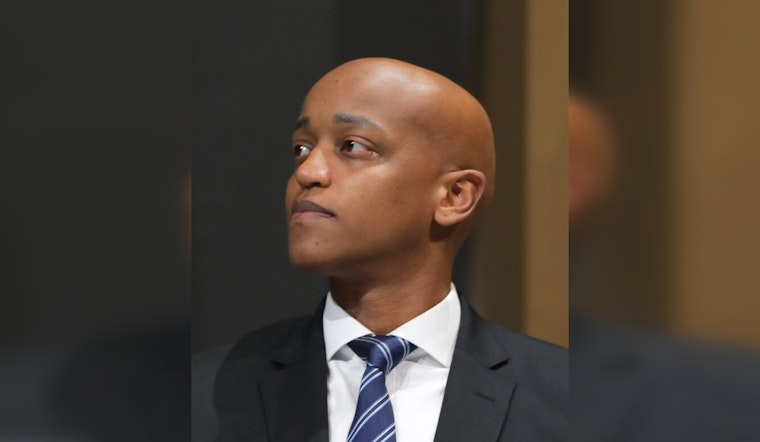
King County Executive Girmay Zahilay is putting a hard number on his first major homelessness push: 500 new shelter and housing units in 500 days, backed by a countywide blitz to line up buildings, funding, and accountability.
On Tuesday, Zahilay signed an executive order launching a new “Breaking the Cycle” initiative that aims to better coordinate housing, health, and legal systems around homelessness, addiction, and incarceration. The order directs county departments to inventory underused county properties, track regional efforts with performance metrics, and lean into outcome-driven management across agencies, drawing on recommendations from Zahilay’s transition team.
As reported by FOX 13 Seattle, Zahilay said, “We need to end the cycle of crisis.” Mary’s Place CEO Dominique Alex, who served on the transition team, added that “when housing, health, and human services work together, people stabilize, recover and thrive.” Zahilay’s office told reporters the order was informed by the final recommendations of the transition committee.
What the order requires
At the center of the plan is the 500-in-500 target: make 500 shelter or affordable housing placements available in 500 days. That figure came directly from Zahilay’s transition committee report.
As outlined by King County, the group urged officials to treat the homelessness-addiction-incarceration nexus like a crisis, close gaps between systems and move quickly to scale up interventions that already have a track record. The report also stressed using data and performance-based funding to see where people fall through the cracks and to redirect money toward what works.
Why this matters
The scale of the problem is not subtle. The King County Regional Homelessness Authority’s 2024 Point-in-Time report estimated about 16,385 people experience homelessness on any given night in the county, with sharp increases in both unsheltered and chronic homelessness.
Those shortfalls put intense pressure on shelters and support services and are a core reason Zahilay is prioritizing rapid conversions and new supply. The Point-in-Time findings underpin the county’s argument that a faster pipeline from emergency shelter to permanent, supportive homes is necessary to prevent people from cycling back into crisis.
How the county plans to deliver
The executive order tells the Department of Community and Human Services and the King County Regional Homelessness Authority to identify underutilized county properties that could be converted into shelter or housing, and to explore dedicated revenue sources to fund construction and operations, according to FOX 13 Seattle.
Councilmember Rod Dembowski urged the county to “fix the systems” and learn from past efforts, while Councilmember Teresa Mosqueda said the order helps the county and its partners “act, collaborate, and identify tools” to create housing and shelter. In the near term, officials say the work will include a property inventory and standing interagency meetings to turn the 500-unit target into specific projects.
Accountability and next steps
Zahilay has been moving to wire accountability into his administration ahead of this initiative. On March 4 he signed a separate order creating an internal audit function and a subcabinet to improve governance and fiscal oversight, measures county leaders say can be used to monitor the Breaking the Cycle effort.
The March 4 governance order lays out internal controls for grantmaking, a new internal auditor role and monthly oversight structures that the executive’s office intends to leverage as the homelessness initiative rolls out. If the county is serious about the 500-in-500 timeline, the upcoming property inventory and budget work will serve as the first public tests of the plan.
Officials did not unveil a full funding blueprint at the signing. Zahilay’s office says details on property lists, costs and timelines will be worked out in the weeks ahead as the administration meets with partners and providers. The executive’s transition materials and staff briefings emphasize advancing many of these actions “over the coming months” as the county tries to balance speed with oversight.
Stakeholders will be watching whether the targets translate into actual beds paired with supportive services. The open question is whether King County can turn an ambitious number into enough real places, with the right help attached, to make housing stick.



.jpg)