

























































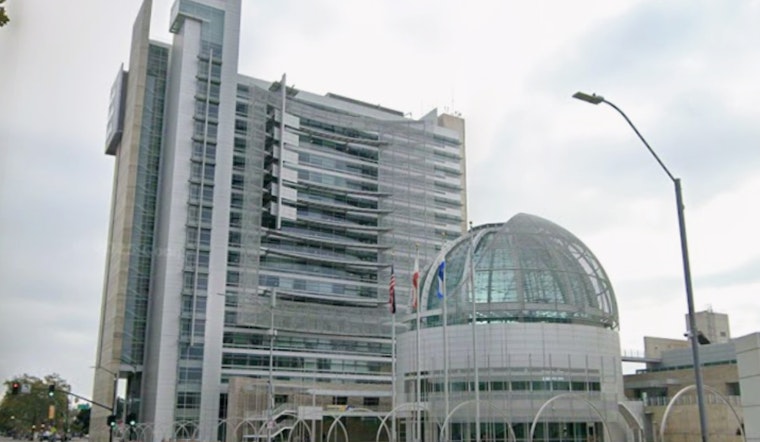
Civil rights advocates are turning up the pressure on San Jose, accusing the city of routinely routing mental health 911 calls to police instead of to non-police crisis teams and warning that the practice may violate federal disability law. In a letter sent earlier this month, the ACLU and the Bazelon Center for Mental Health Law fault the city for how it runs the local 911 dispatch center and say a pause in talks with Santa Clara County has stalled efforts to grow civilian crisis response. The groups caution that if cooperation does not resume, their dispute could move into court.
As reported by San José Spotlight, the letter was signed by attorneys from the American Civil Liberties Union, including its local chapter, and the Bazelon Center. It presses city leaders to divert more appropriate calls away from armed officers. Susan Mizner, director emeritus of the ACLU’s disability rights program, told San José Spotlight, “We are hoping that the letter will prompt the city to send the experts within the city on its emergency response system to join our conversation and our negotiations with the county.” The outlet notes this latest warning follows earlier demands and that the city pulled out of interagency talks in December.
County Teams And TRUST
Santa Clara County launched the Trusted Response Urgent Support Team, known as TRUST, in 2022 as a non-police mobile crisis response staffed by clinicians and peer specialists. Callers can reach teams in the field through 988 or a dedicated TRUST phone line. According to Santa Clara County Behavioral Health Services, TRUST is designed to de-escalate psychiatric and substance use crises without sending armed officers and to connect people to follow-up care. County materials describe multi-person teams operating in vans across the county.
What The Data Shows
A Bay City News report for SFGATE cited county data showing that in 2023, mental health teams handled only a small share of San Jose incidents that officials identified as potentially divertible. TRUST and similar responders were sent to roughly 2 percent of about 60,000 San Jose 911 incidents that year. The same reporting noted San Jose only recently began routing some lower-level calls through 988 and that alternative crisis teams still lack the staffing to absorb the full caseload, so police often respond jointly or by default.
That pattern has drawn pointed criticism from community organizers. “To truly value non-police crisis response is really a whole re-architecturing of how a city responds to crises right now,” Raj Jayadev, founder of Silicon Valley De-Bug, told San José Spotlight, describing recent city steps as “cosmetic.” Attorneys for the civil rights coalition said their review of last year’s San Jose 911 dispatch data showed that the vast majority of incidents they believe could be diverted still resulted in a police response.
The letter argues that these trends may conflict with federal disability protections, including the Americans With Disabilities Act and Section 504 of the Rehabilitation Act, legal theories the ACLU and allied groups have raised in similar challenges. As outlined by the Bazelon Center for Mental Health Law, those laws require that people with disabilities receive nondiscriminatory access to government services. The ACLU has pressed comparable claims in litigation over Washington, D.C.’s crisis response system.
Advocates say they want the letter to spur San Jose back to the bargaining table with Santa Clara County and to expand non-police crisis teams so that more people in mental health emergencies receive medical and peer support instead of an armed response. If the city declines to reengage, the civil rights coalition has left the door open to a lawsuit, while stressing that both sides still say they would rather hammer out a negotiated fix than battle it out in court.



