

























































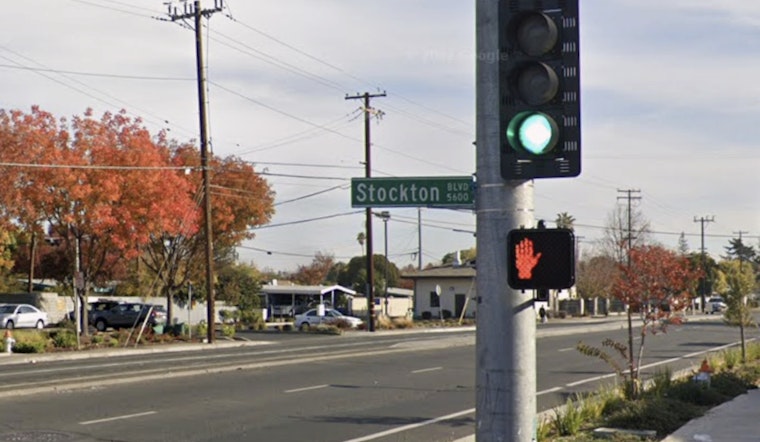
Stockton Boulevard, long known by locals as one of Sacramento's hairiest drives, is finally getting a serious safety overhaul after a brutal run of pedestrian deaths.
The City of Sacramento announced this week it is moving ahead with a redesign of the five-lane corridor, aiming to slow drivers down and make the street safer for people on foot, on bikes and on buses. Coroner data shows four pedestrians have been hit and killed along Stockton Boulevard in just the last six months, a grim tally residents say forced the city's hand.
"Sometimes it takes three or four people to die before they do anything about it," resident Selwyn Jones told reporters, while Councilmember Eric Guerra pushed for changes that would better protect both pedestrians and drivers. Those details and quotes were reported by CBS Sacramento.
What the City Is Proposing
The Stockton Boulevard Safety and Transit Enhancement Project would rework the stretch between Florin Road and Alhambra Boulevard with a full menu of traffic-calming tools. The concept includes wider sidewalks, protected bike lanes, upgraded lighting and more than a dozen new crosswalks to break up the long, risky gaps between safe crossings.
Transit is part of the plan too. Planners are studying upgrades for SacRT's Route 51 to Bus Rapid Transit standards, which could mean dedicated bus lanes and traffic signals that give buses a head start so they are less likely to get stuck in congestion. As outlined by the City of Sacramento, the project will move through a series of community workshops and a multi-step planning process before any concrete gets poured.
Funding and Next Steps
City and transit officials say they have about $5 million in hand to cover planning and design, money that will fund alternatives analysis, public outreach and early engineering work. The grant was detailed in a Sacramento Regional Transit board report describing the agency's partnership with the city on Stockton Boulevard improvements.
That planning phase is meant to define pilot projects and select a locally preferred alternative before Sacramento goes hunting for construction dollars. In other words, this is the homework stage that will shape what actually gets built, and how fast.
Residents Split on Trade-offs
The biggest flashpoint so far: whether to rip out some vehicle lanes to make space for bus and bike lanes. That kind of "road diet" can dramatically cut speeding and serious crashes, but it also stirs up fear of choke-point traffic.
"You don't want to go from two lanes down to one lane single and then have that traffic backed up," neighbor Michael Bevens said. Others say congestion worries take a back seat to basic safety. "The city is planning on doing something about it, and I really, really appreciate that," Annie Manuel told CBS Sacramento.
Longer History and Scale of the Problem
Stockton Boulevard has been on planners' danger list for years. Wide lanes, fast traffic and long distances between marked crosswalks have turned it into a classic high-injury corridor, where a simple walk to the bus stop can feel like a dare.
A GovTech analysis, drawing on reporting by the Sacramento Bee, highlights multiple hit-and-run and pedestrian fatalities along Stockton Boulevard since 2018 and estimates that fully fixing the street could cost tens of millions of dollars. That bigger price tag is part of why the current effort ties transit upgrades to a safety-first redesign, rather than treating them as separate projects.
For now, the city is still in listening mode. It is collecting public input as staff refine design options, with meeting materials and schedules posted by the City of Sacramento. Planners say the next round of workshops and pilot designs will help decide whether to roll out quick-build changes first or jump straight into a larger road diet and construction phase, with community feedback expected to heavily influence that call as the project moves forward.





